Business · World News Bureau
Autumn peak season reshapes Japan's tourism revenue calendar
Japan's travel industry is experiencing a dramatic shift, with autumn now rivaling or surpassing summer as the peak earnings season. Favorable weather, fewer crowds than peak summer, and extended international visitor stays are driving the seasonal transformation.
LSN World News ·
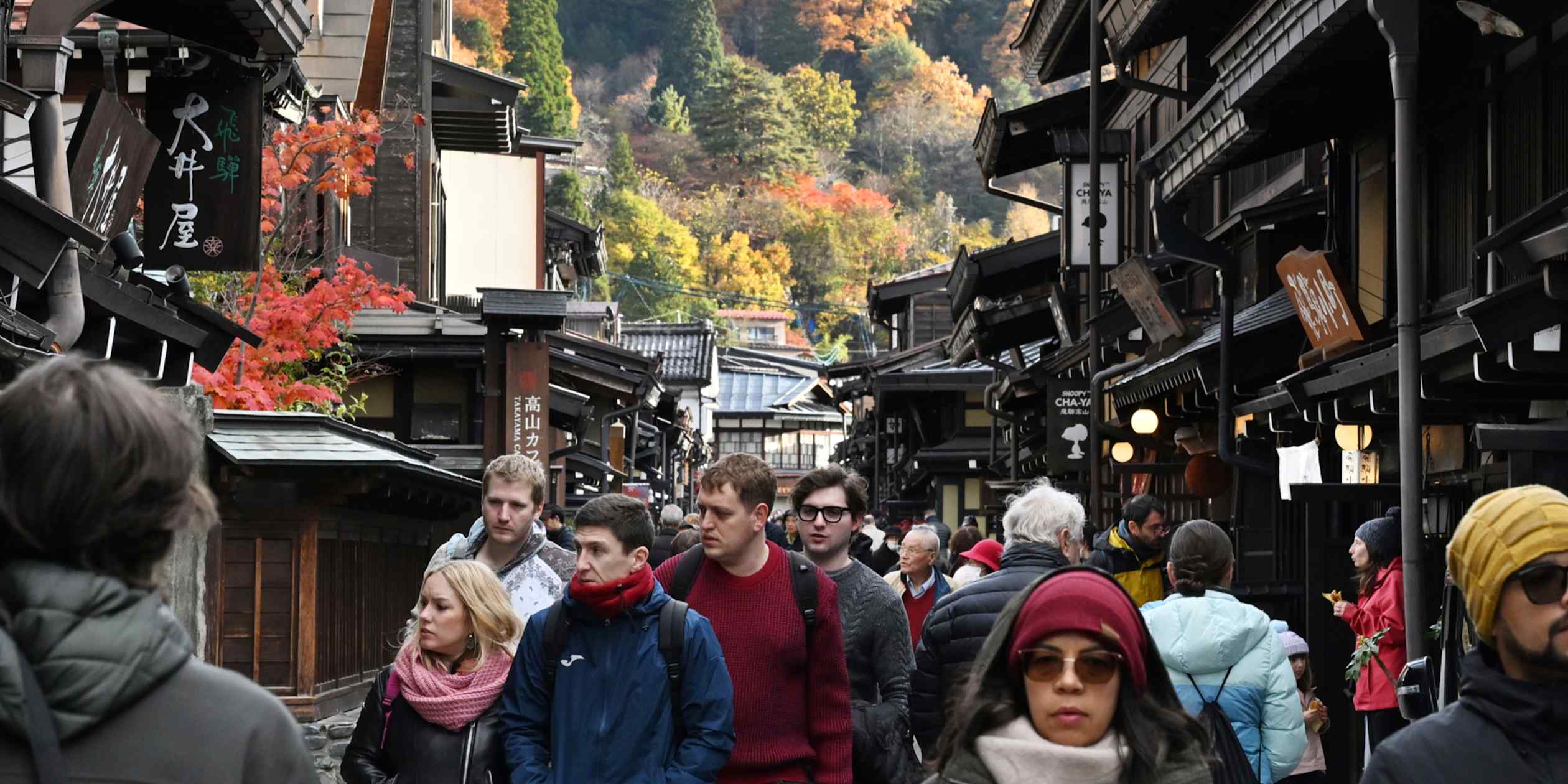
Japan's tourism sector is undergoing a fundamental seasonal restructuring as autumn emerges as a critical revenue-generating period, challenging the traditional dominance of summer travel patterns. Tour operators, hospitality providers, and regional tourism boards increasingly report that September through November deliveries substantial returns comparable to or exceeding those from June through August, reshaping business planning and resource allocation across the industry.
The shift reflects several converging factors. Autumn weather conditions—with mild temperatures and lower humidity—provide more comfortable travel conditions than Japan's often sweltering summers. This climatic advantage extends visitor stay durations, as tourists linger longer to experience cultural festivals, autumn foliage viewing, and outdoor activities without the physical strain associated with peak summer heat.
International visitor patterns have also evolved. While domestic travelers traditionally concentrated visits during summer school and company holiday periods, international arrivals now distribute more evenly across seasons. The autumn period particularly attracts visitors from Southeast Asia and other regional markets seeking escape from monsoon seasons and pre-winter conditions in their home countries.
Industry analysts note that the autumn peak has created operational challenges for accommodation providers and transportation services accustomed to managing summer surges. Labor costs and facility planning now require accommodation for dual peak seasons rather than a single concentrated period. Despite these adjustments, most stakeholders view the shift favorably, as it distributes economic benefits across a longer timeframe and reduces infrastructure strain from extreme seasonal concentration.
The trend is expected to solidify as international tourism continues recovering toward pre-pandemic levels, potentially establishing autumn as the year's premier travel season for Japan's tourism economy.