World · India Bureau
Avarekai cultivation in Kolar district plummets 70% amid severe drought
Farmers in Karnataka's Kolar district have significantly scaled back avarekai (winged bean) cultivation due to persistent rainfall deficits and plummeting groundwater reserves. The sharp decline underscores growing agricultural challenges in the region as dry conditions persist.
LSN India ·
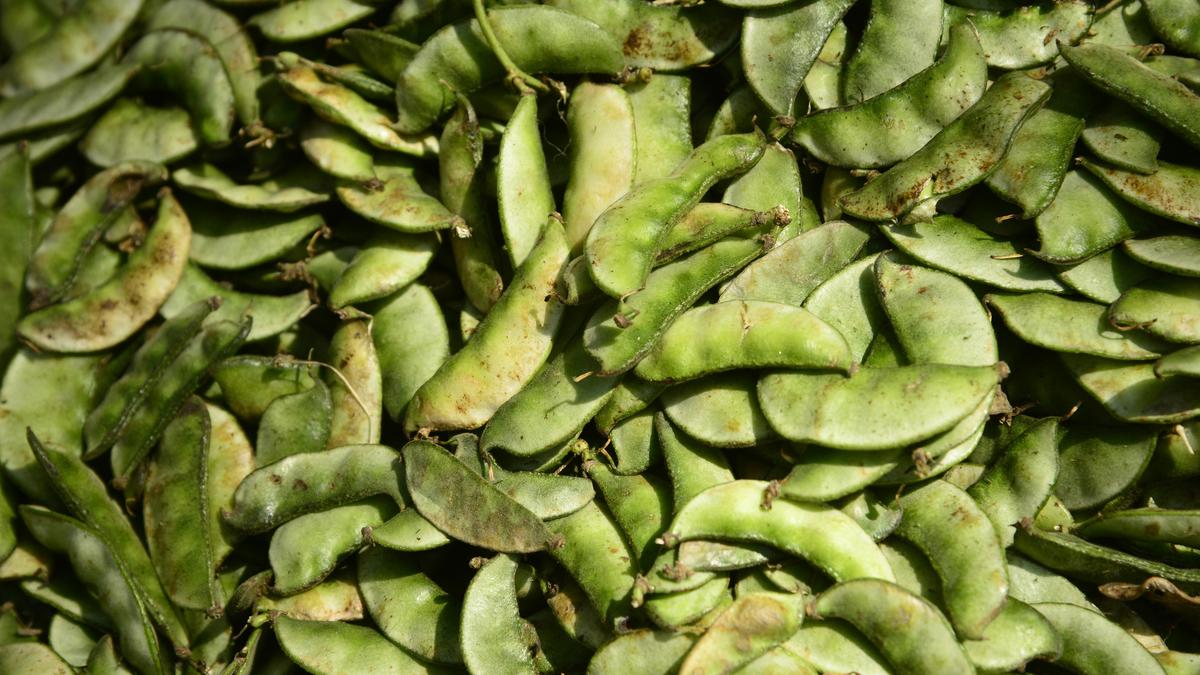
Avarekai cultivation across Kolar district in Karnataka has contracted by 70%, marking a dramatic downturn in production of the nutritious legume crop. The collapse in sowing activity reflects mounting challenges faced by farmers as inadequate rainfall and depleting groundwater aquifers continue to strain agricultural viability across the region.
The sustained dry weather conditions have made it increasingly unviable for farmers to commit resources to avarekai cultivation, traditionally an important cash crop in the district. With insufficient water availability for irrigation and rainfall failing to meet seasonal expectations, many cultivators have opted against sowing rather than risk crop failure and financial losses.
Groundwater depletion has compounded the agricultural distress, as farmers dependent on tube wells and borewells face shrinking water tables. The combination of erratic weather patterns and resource scarcity has forced a fundamental reassessment of cropping patterns in Kolar, with the avarekai sector bearing the brunt of these environmental pressures.
The significant contraction in avarekai cultivation could have broader implications for local agricultural livelihoods and regional market supply. Agricultural departments and water resource agencies are likely to face renewed pressure to address the underlying moisture deficit and groundwater sustainability challenges affecting farming communities in the district.