World · India Bureau
Aviation safety improvements hinge on government policy decisions
While airlines implement various safety measures that ultimately increase operational costs for passengers, experts argue that meaningful progress in aviation safety depends primarily on political will and regulatory frameworks at the government level.
LSN India ·
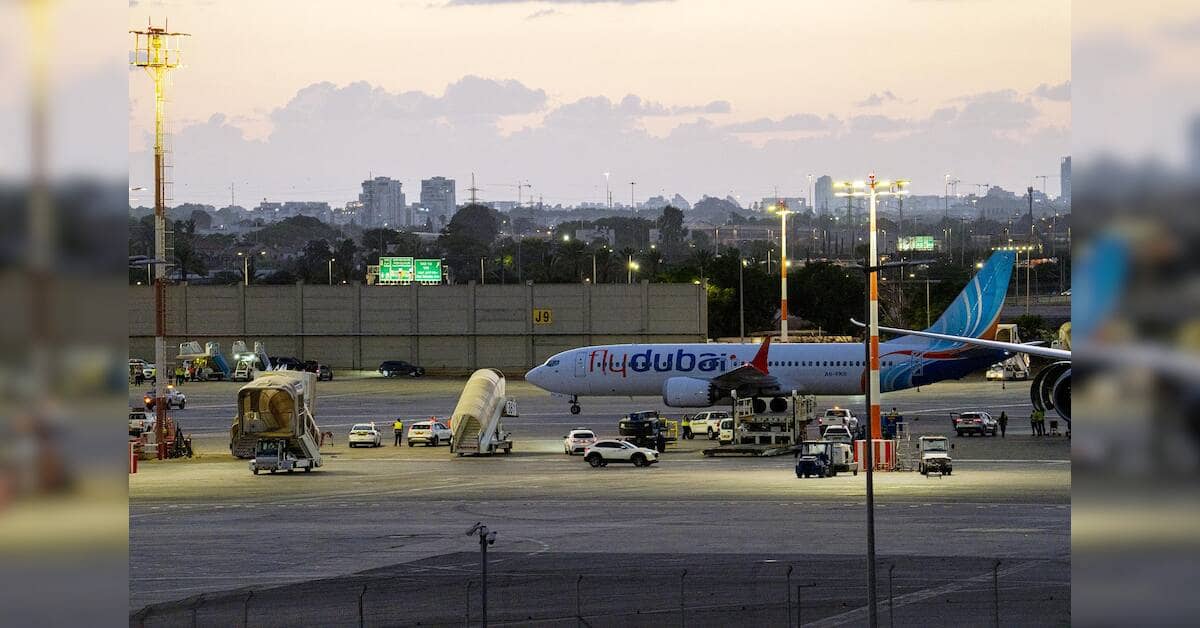
The aviation industry faces an ongoing tension between safety investments and operational costs, with passengers ultimately bearing the financial burden of enhanced security and safety protocols. Airlines worldwide have implemented numerous measures to protect their fleets and passengers, from advanced maintenance systems to upgraded cockpit technology, yet these improvements come at a price reflected in ticket fares and service charges.
However, the effectiveness of these industry-driven initiatives remains limited without comprehensive regulatory oversight and government intervention. Safety standards, enforcement mechanisms, and infrastructure investments require coordinated action at the policy level, where decisions made by political authorities significantly impact the overall safety environment for aviation.
Experts point out that sustainable improvements in aviation safety cannot rely solely on commercial incentives or individual airline initiatives. Governments must establish and enforce stringent safety protocols, invest in airport infrastructure, implement air traffic management systems, and ensure regulatory compliance across the aviation sector. These foundational measures create the framework within which airlines operate and ultimately determine the baseline safety standards for the entire industry.
The challenge remains that while passengers continue to absorb costs associated with operational safety measures, the critical policy decisions that would fundamentally strengthen aviation safety remain largely in the realm of government action. Without political commitment to comprehensive aviation safety reforms, incremental improvements by individual carriers will continue to represent only partial solutions to systemic safety concerns.