World · World News Bureau
Aviation Safety Rules Born From Tragedy, Security Breaches
From liquid restrictions to shoe inspections, modern airport regulations stem directly from past incidents that reshaped global aviation security. Each rule represents lessons learned at considerable cost.
LSN World News ·
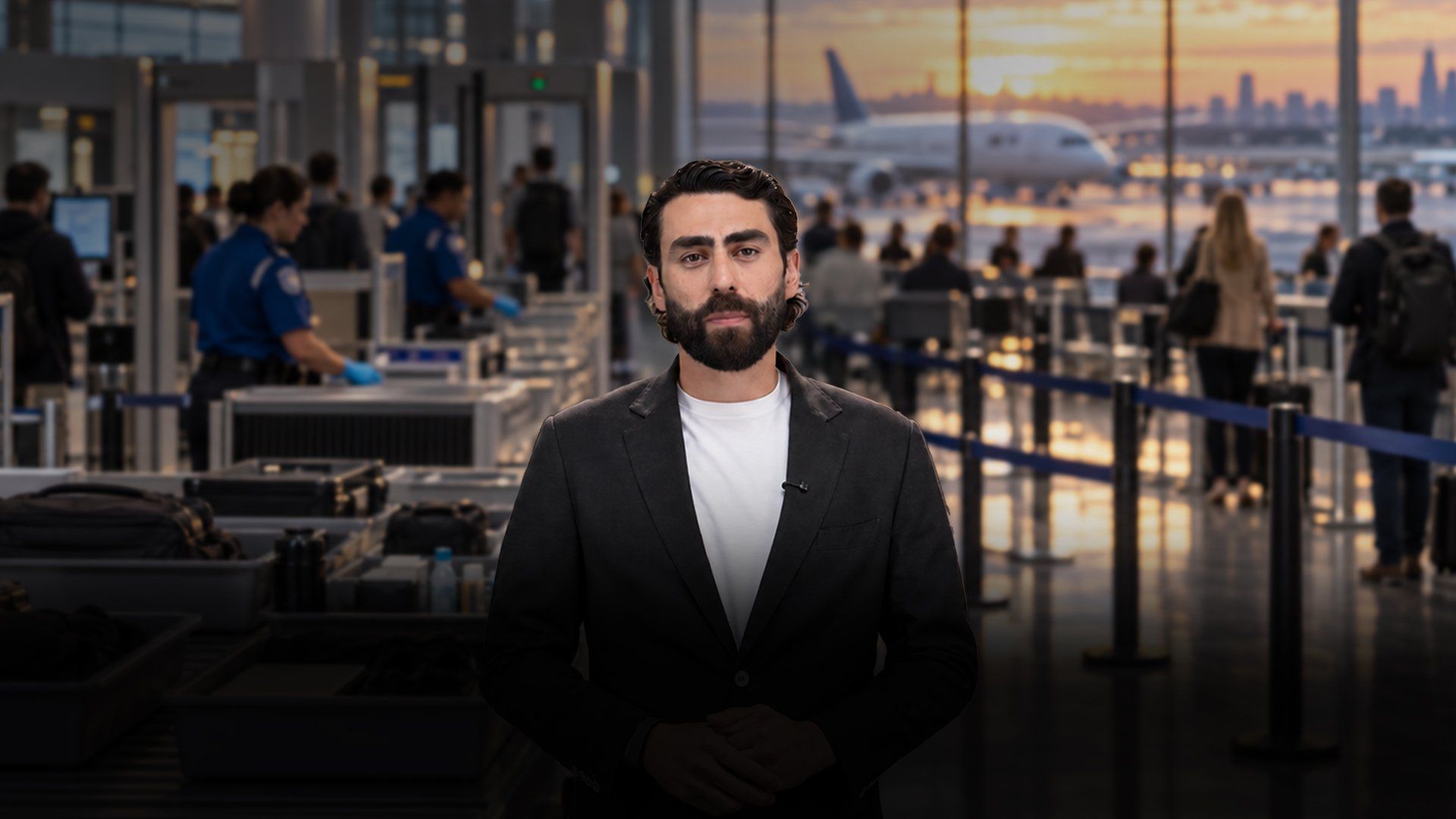
Passengers queuing through airport security checkpoints rarely pause to consider why certain rules govern their journey. Yet virtually every regulation enforced at terminals and during flights emerged from specific incidents—mishaps, hijackings, and attacks—that fundamentally altered how the aviation industry operates worldwide.
The evolution of aviation security reflects a reactive approach to safety. Following the September 11, 2001 attacks in the United States, security protocols underwent radical transformation, introducing full-body screenings and cockpit reinforcements. Similarly, the 2006 transatlantic aircraft plot led directly to liquid and gel restrictions, limiting containers to 100 millilitres in carry-on luggage. The 2001 Richard Reid shoe-bombing attempt spawned mandatory footwear inspections at checkpoints across the globe.
Airline procedures governing passenger conduct also trace their origins to disruptive incidents. Seatbelt requirements, electronic device regulations, and lavatory access protocols—each addresses specific safety or security concerns identified during actual flight emergencies or criminal incidents. Cabin crew training intensified following hijackings and unruly passenger events that demonstrated the need for enhanced response capabilities.
Regulatory bodies including the International Civil Aviation Organization continuously review incident reports to update standards. While some rules may appear inconvenient or excessive to modern travelers, aviation specialists emphasize that each requirement represents hard-won knowledge. The extreme rarity of aviation accidents today reflects cumulative safety measures implemented across decades of incident analysis and regulatory refinement.
As air travel remains among the safest transportation modes globally, the layered security approach—though sometimes cumbersome—demonstrates how systematic responses to past events have fundamentally reshaped aviation safety culture across the industry.