World · India Bureau
Ayurvedic traditions link water placement to health and wellness beliefs
In Hindu tradition, the placement of water in specific home locations is associated with invoking Dhanvantari, the deity of medicine and Ayurveda. The practice reflects centuries-old beliefs linking domestic rituals to health and longevity.
LSN India ·
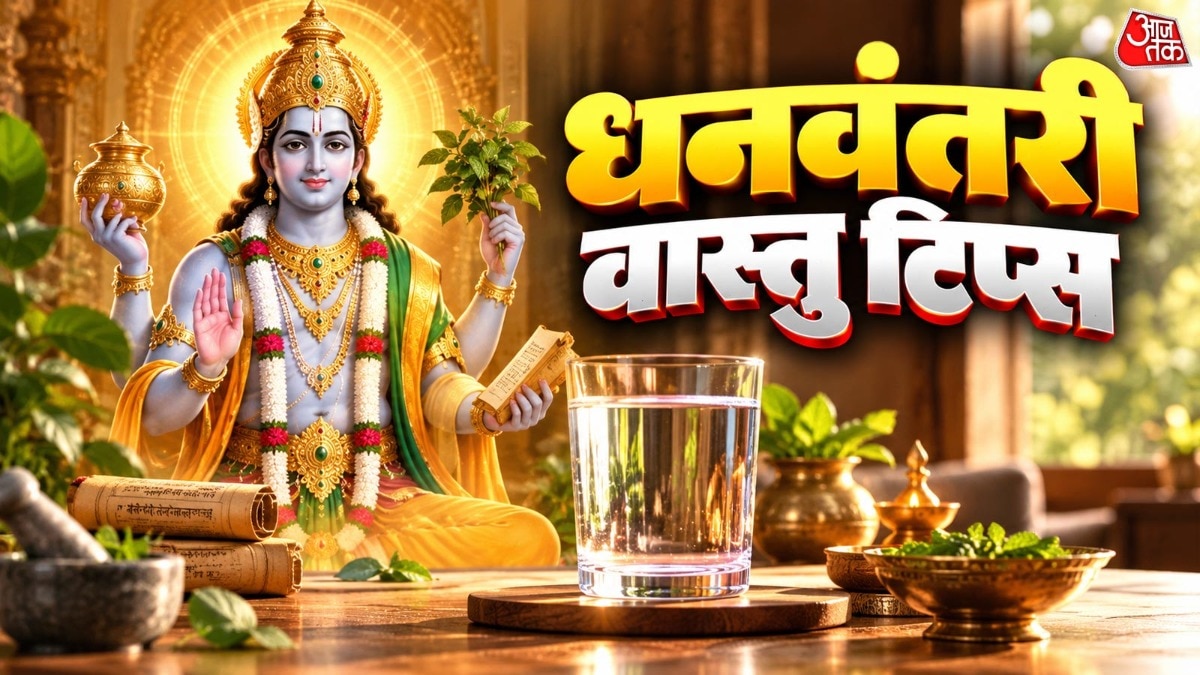
Dhanvantari, revered in Hindu mythology as the originator of Ayurveda and physician of the gods, is believed to have emerged from the ocean of milk carrying a vessel of nectar during the cosmic churning. Devotees invoke his blessings through various household practices aimed at promoting wellness and disease prevention.
According to traditional Ayurvedic practices observed across India, the directional placement of water within homes is considered significant in household rituals. Practitioners of these customs believe that maintaining water in specific locations can create an environment conducive to good health and well-being.
Dhanvantari worship remains integral to Indian wellness traditions, with devotees seeking his intervention for robust health and extended life. The veneration of this deity represents the deep historical connection between Hindu spiritual beliefs and Ayurvedic medicine in Indian culture.
These practices, rooted in ancient texts and oral traditions, continue to influence domestic rituals in many Indian households. While modern medicine operates through empirical scientific frameworks, such traditional observances persist as cultural and spiritual expressions among communities maintaining these customs.