Culture & Entertainment · India Bureau
Azerbaijan enforces school hijab ban despite Muslim majority population
Azerbaijan, a nation with a predominantly Muslim population exceeding 96%, has implemented restrictions on hijab wearing in educational institutions, raising questions about the secular state's approach to religious expression.
LSN India ·
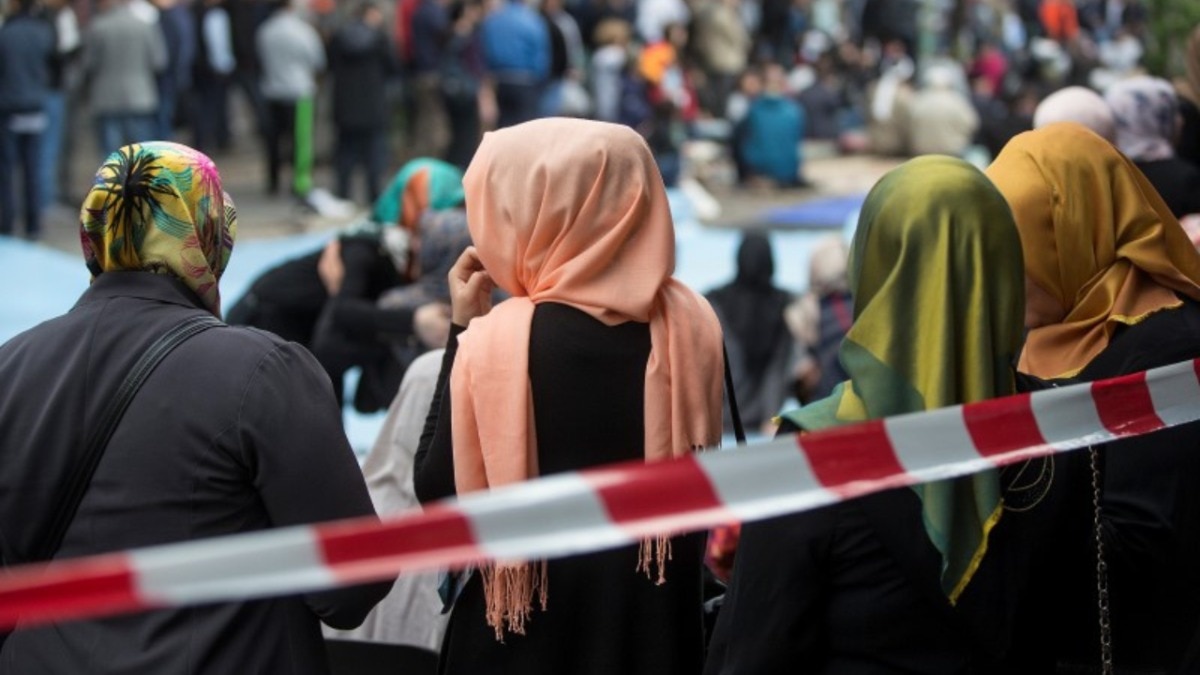
Azerbaijan's decision to enforce a hijab ban in schools has prompted debate over the balance between secular governance and religious freedom in the Muslim-majority nation. The policy reflects the government's commitment to maintaining secularism in educational settings, a principle established during the Soviet era and continued in the independent state's institutional framework.
The restriction applies to students wearing headscarves in primary and secondary schools across the country. Officials have justified the measure as essential to preserving the secular character of public education and ensuring national unity among Azerbaijan's diverse population.
The ban has sparked discussions among religious scholars, parents, and civil society organizations regarding the scope of religious liberty in public spaces. Supporters argue that secular education protects students from religious pressure, while critics contend that the restriction limits individual choice and religious expression during formative years.
Azerbaijan's approach reflects broader regional tensions between state secularism and religious identity. The Caucasus nation has historically maintained a secular political system despite its significant Muslim population, distinguishing itself from several neighboring countries with more explicitly Islamic governance structures.
The policy underscores how states with Muslim majorities can adopt varying approaches to religious observance in public institutions, driven by historical, political, and ideological considerations distinct from their demographic composition.