Culture & Entertainment · World News Bureau
Azerbaijan's headscarf ban in schools triggers protests, Turkish row
Demonstrations have erupted across Azerbaijan following enforcement of strict rules barring students from wearing hijabs in educational institutions. The policy has drawn criticism from Turkey and sparked rare public dissent in the South Caucasus nation.
LSN World News ·
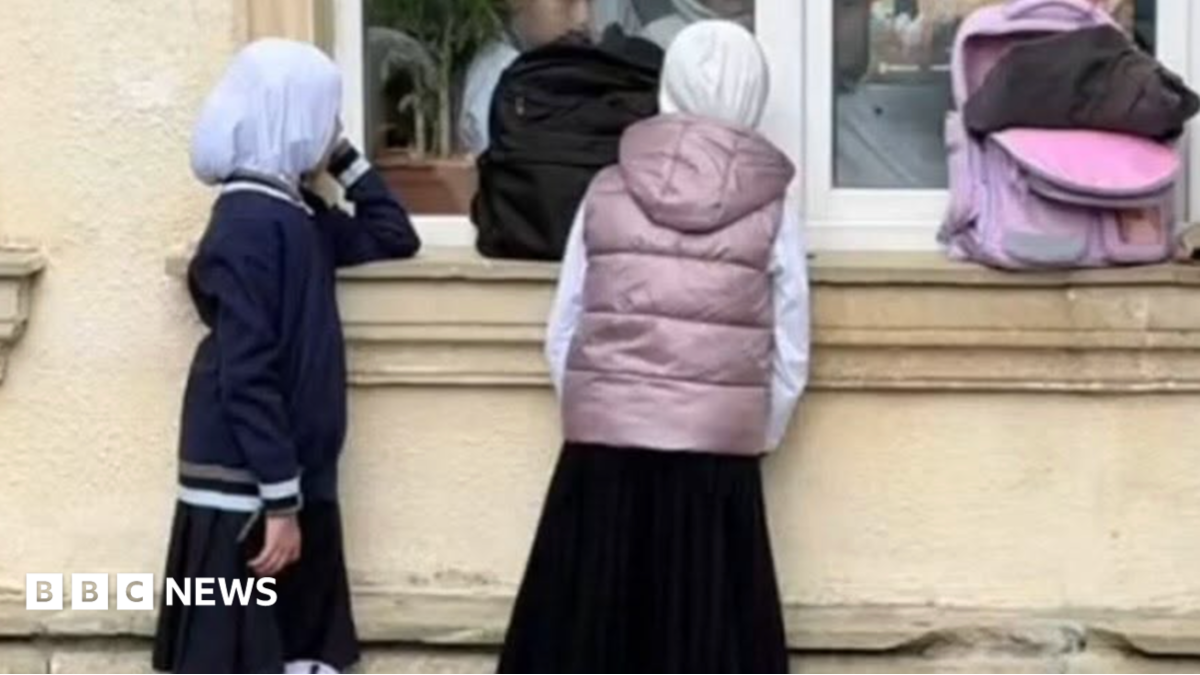
Protests have intensified in Azerbaijan after school authorities began enforcing regulations that prohibit students from wearing headscarves on campus, turning away pupils in hijabs at classroom entrances. The dress code restrictions have prompted an unusual surge of public opposition in the country, with demonstrators challenging what they view as an infringement on religious expression and personal freedom.
The implementation of the ban has also strained diplomatic relations between Baku and Ankara. Turkey, a close ally of Azerbaijan, has objected to the policy, viewing it as discriminatory toward Muslim students and contrary to principles of religious tolerance. The Turkish government's formal response has added an international dimension to what began as a domestic educational dispute.
The controversy underscores broader tensions in Azerbaijan regarding secularism and religious practice. The former Soviet republic has maintained strict secular governance policies since independence, though the Muslim-majority population has increasingly sought greater religious freedom in recent years. School administrators have justified the headscarf restrictions as part of secular educational standards, but critics argue the rules disproportionately affect religious minorities.
Civil society groups have mobilized in response to the ban, organizing demonstrations and calling for policy reconsideration. The level of public mobilization represents a notable instance of civil protest in Azerbaijan, where demonstrations are often met with significant state restrictions. Education officials have so far shown no indication of reversing the policy despite the mounting pressure from both domestic and international quarters.