Business · World News Bureau
Bab al-Mandab Strait: Critical Chokepoint for Global Energy Trade
The narrow waterway between Yemen and Djibouti serves as one of the world's most strategically vital maritime passages, channeling billions of dollars in oil and goods through its constrained waters daily.
LSN World News ·
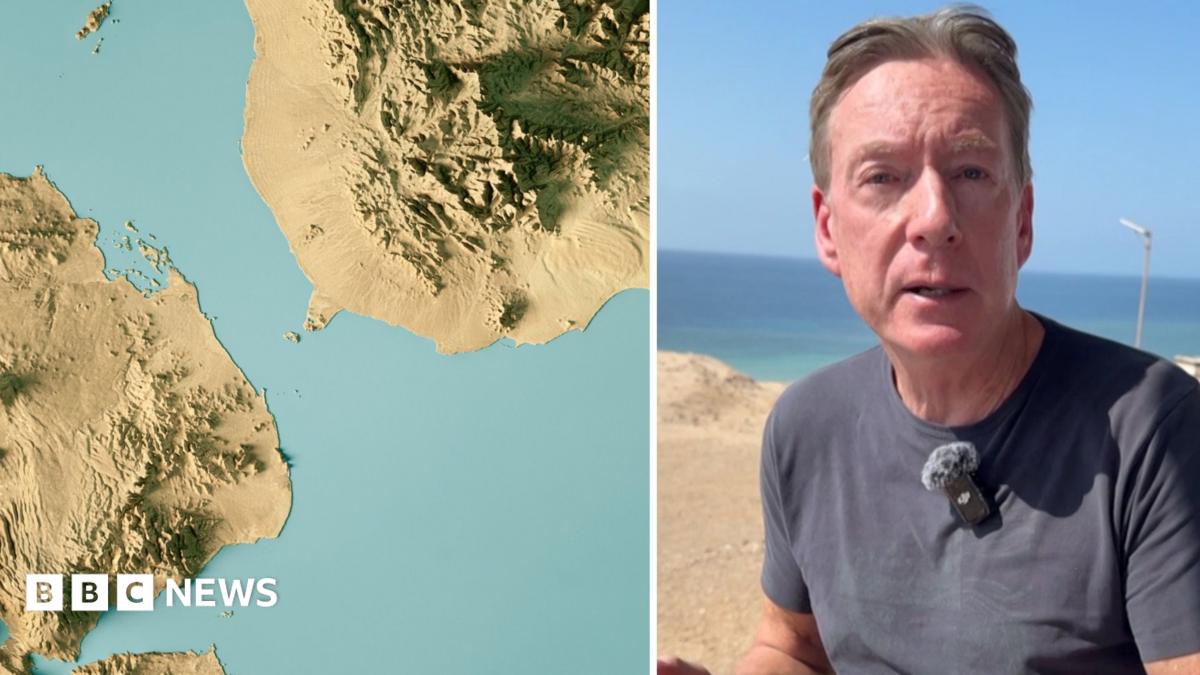
The Bab al-Mandab Strait, located at the southern entrance to the Red Sea between Yemen and Djibouti, represents one of the globe's most economically significant maritime chokepoints. The narrow passage connects the Red Sea to the Gulf of Aden and the Indian Ocean, making it essential for international shipping routes that link Europe, Asia, and the Middle East.
Approximately 12 percent of global maritime trade passes through the strait annually, with oil shipments comprising a substantial portion of this traffic. The waterway is particularly crucial for petroleum exports from the Persian Gulf destined for European and Asian markets, making disruptions to shipping lanes a matter of international economic concern.
The strategic importance of Bab al-Mandab extends beyond commerce. The strait's geographic position makes it a focal point for regional geopolitics, with control or influence over the passage affecting shipping security and international relations in the area. The narrowness of the navigable channel—approximately 20 kilometers at its widest point—amplifies both its economic significance and its vulnerability to disruption.
For the global economy, any sustained interference with traffic through the strait could have far-reaching consequences for energy prices and supply chains worldwide. This reality underscores why maritime security and freedom of navigation in the Bab al-Mandab remain priorities for international shipping interests and major trading nations.