Technology · Philippines Bureau
Bacoor City explores waste-to-energy technology to tackle garbage crisis
Bacoor City is considering waste-to-energy technology as a solution to manage over half a million kilograms of waste generated daily. The city government has identified the emerging technology as a potential long-term strategy to address its mounting garbage disposal challenges.
LSN Philippines ·
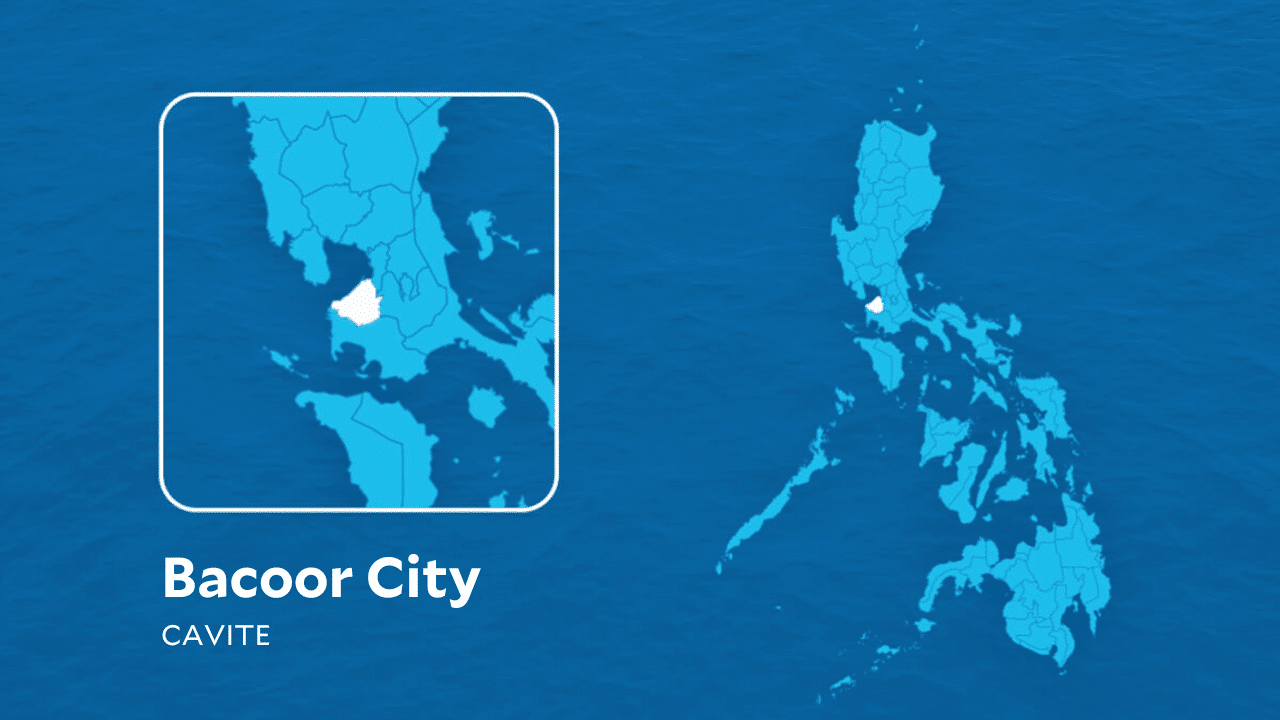
Bacoor City officials are exploring waste-to-energy (WTE) technology as a potential remedy for the metropolis's escalating waste management crisis. According to Mayor Strike Revilla, the city produces approximately 533,622.98 kilograms of garbage daily, underscoring the scale of the environmental challenge facing the Cavite municipality.
The proposal to adopt WTE systems reflects growing concern among local government units in the Philippines over conventional waste disposal methods. As urban centers continue to expand, landfill capacity has become increasingly strained, prompting administrators to investigate alternative approaches that convert refuse into usable energy.
Waste-to-energy facilities operate by incinerating waste at high temperatures to generate electricity or heat, thereby reducing the volume of material requiring landfill disposal while producing renewable energy. Proponents argue such technology could provide Bacoor with a dual benefit: alleviating the city's garbage accumulation while generating power for municipal operations or public consumption.
The city government's consideration of WTE technology signals a shift toward more sustainable waste management practices among local authorities. However, any implementation would require comprehensive feasibility studies, environmental impact assessments, and potential regulatory approval from national environmental agencies before proceeding to development stages.