World · World News Bureau
Balkan States Chart Divergent Courses on Israel Relations
Countries across the Balkans are pursuing individual diplomatic strategies toward Israel, shaped by domestic politics, security partnerships and regional interests rather than a coordinated approach. The fragmented stance reflects broader divisions within the region.
LSN World News ·
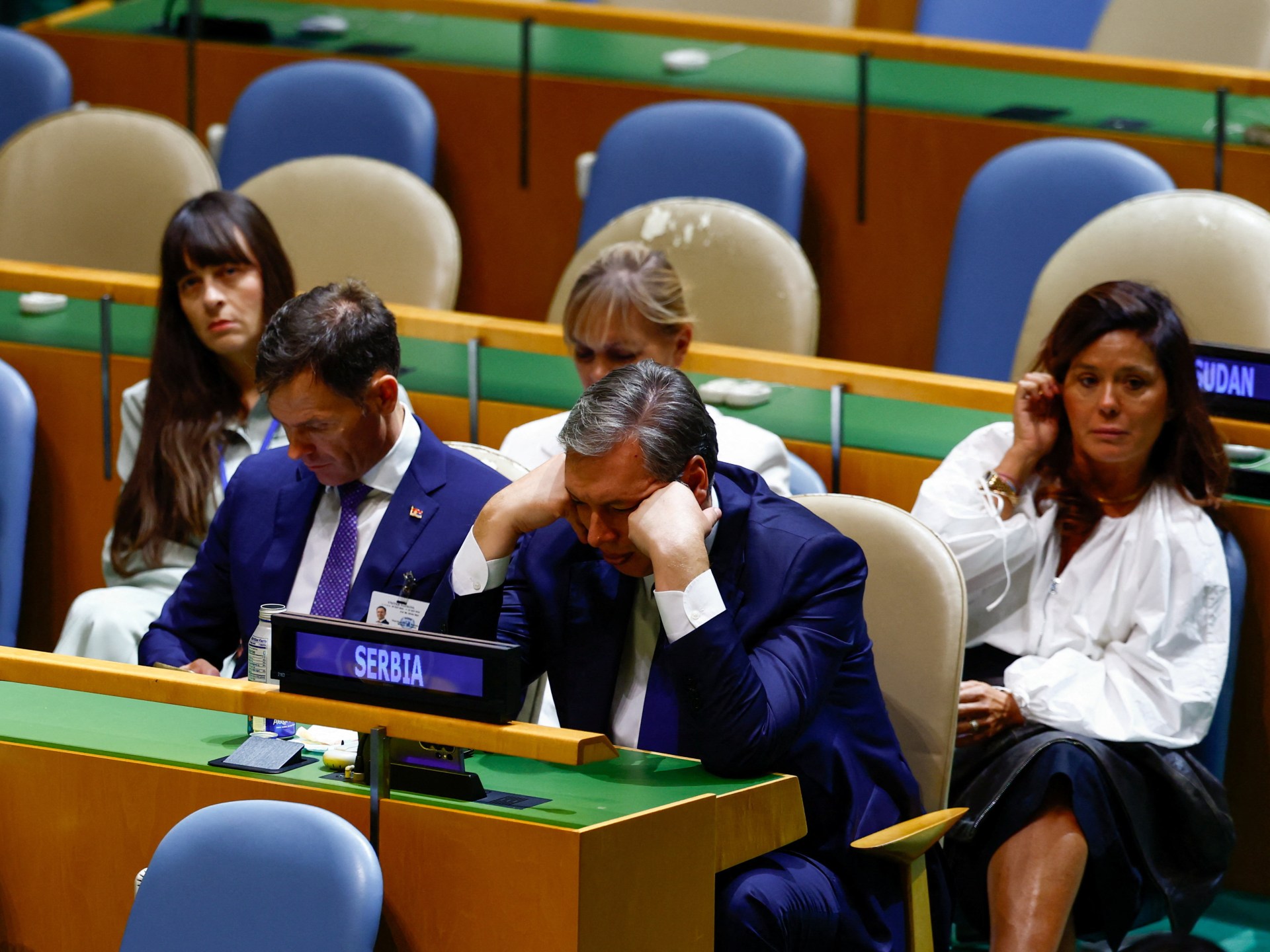
Balkan nations have adopted starkly different positions on Israel, with each country calibrating its foreign policy according to local political pressures, military alliances and strategic calculations rather than presenting a unified regional voice.
The variation in diplomatic ties stems from competing interests across the peninsula. Some states have prioritized defence partnerships and security cooperation that influence their Israel policy, while others have weighted domestic political considerations more heavily. Economic relationships, historical ties and alignment with major powers have also shaped individual government approaches to the Middle Eastern question.
This patchwork of policies underscores the broader fragmentation that has characterized Balkan geopolitics since the region's turbulent 1990s. Despite periodic efforts to build consensus on major international issues, the countries remain prone to pursuing separate agendas based on their particular circumstances and leadership priorities.
The divergence highlights how regional solidarity on global matters remains limited in southeastern Europe, with national interests consistently overriding collective positioning. As regional actors continue to navigate relationships with both Western powers and other international players, their Israel policies are likely to remain fluid and individually determined rather than coordinated.