World · India Bureau
Baltimore replaces invasive pear with native tulip poplar as city tree
Baltimore has retired the Chanticleer pear as its official tree after 52 years, replacing it with the native tulip poplar in response to Maryland's ban on invasive callery pear sales. The change follows a public voting process that narrowed six native species candidates to a single winner.
LSN India ·
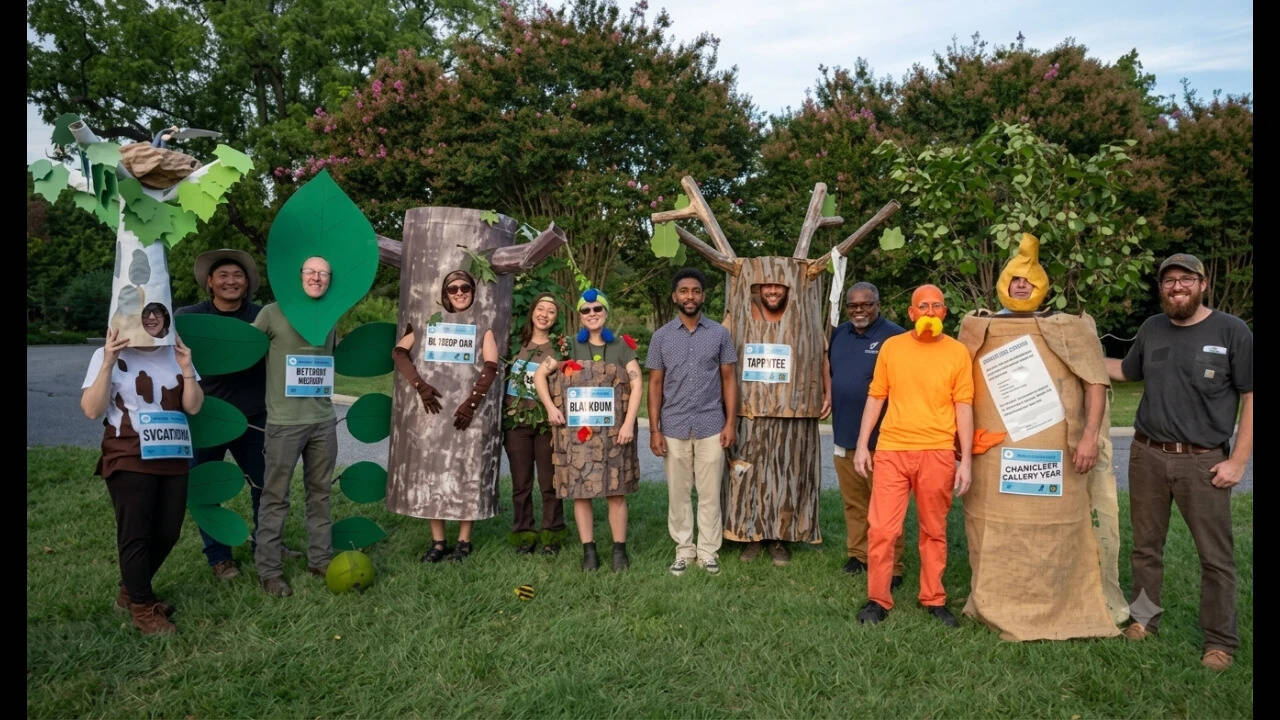
Baltimore has officially designated the tulip poplar as its new municipal tree, ending the 52-year reign of the Chanticleer pear that served as the city's emblem since 1974. The transition comes after Maryland implemented a sales ban on the callery pear family, which has become problematic due to its invasive characteristics and environmental impact.
The selection process involved significant public participation, with Baltimore residents voting among six native tree species under consideration for the honour. The competitive spirit of the selection was underscored by a distinctive announcement method: a costumed tree race held at Cylburn Arboretum that drew hundreds of participants and spectators.
The tulip poplar, a native species, replaces the non-native Chanticleer pear, which had served as Baltimore's official tree for over five decades. The shift reflects broader efforts across the United States to prioritize native plant species that support local ecosystems and reduce the spread of invasive flora.
The change demonstrates how cities are increasingly reassessing their relationship with non-native ornamental plants in response to environmental concerns and evolving botanical science.