World · India Bureau
Bamboo die-off poses ecological risks, warns Kerala research study
A comprehensive study has identified multiple environmental hazards linked to mass bamboo flowering and subsequent die-off, including invasive weed proliferation, increased wildfire risk, and potential wildlife-human conflicts across South Asia.
LSN India ·
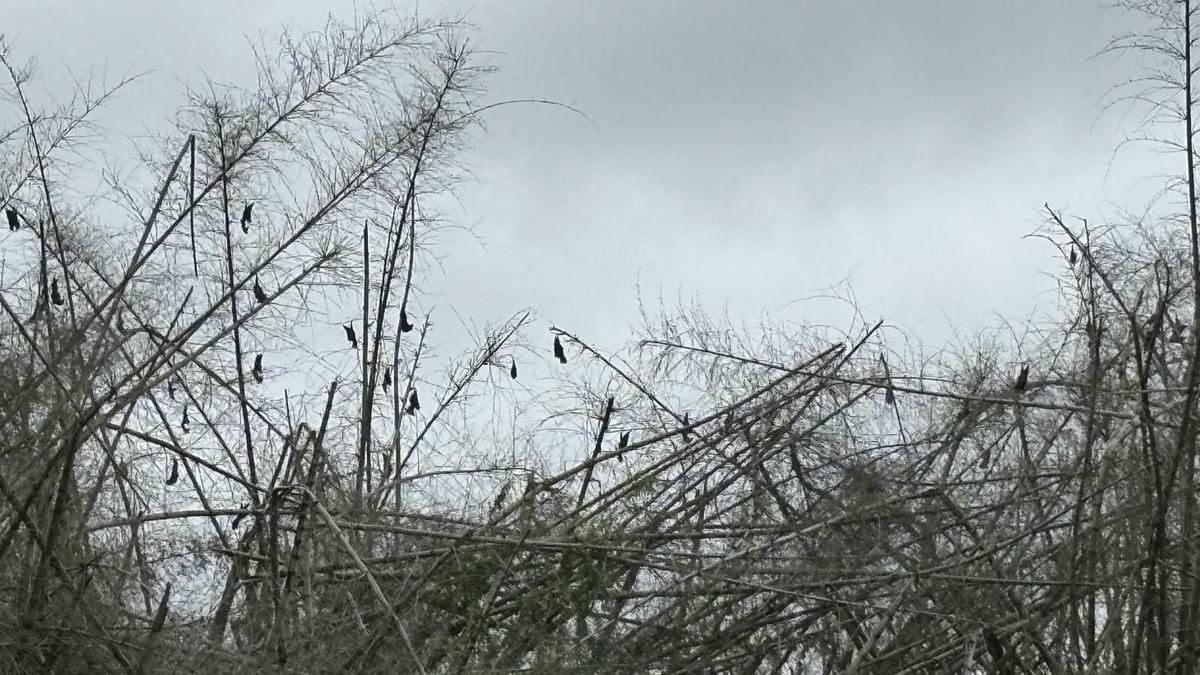
Researchers at the Kerala Forest Research Institute have documented the cascading ecological consequences of synchronized bamboo flowering and mortality events, which occur periodically across forested regions in India and Southeast Asia.
The study reveals that large-scale bamboo die-off creates conditions conducive to invasive weed colonization, significantly altering forest composition and reducing biodiversity. The accumulated dead biomass simultaneously increases wildfire vulnerability, posing risks to both ecosystems and nearby human settlements.
The research highlights secondary impacts on wildlife populations, particularly noting that bamboo die-off can trigger population surges in rodent species. These ecological disturbances may force larger herbivores, including elephants, to venture into agricultural areas in search of food, escalating human-wildlife conflict in vulnerable regions.
The findings underscore the need for proactive forest management strategies to mitigate the impact of these natural cyclical events. Policymakers across bamboo-dependent regions may need to consider preventive measures, including controlled burning protocols, invasive species monitoring, and enhanced community alert systems during high-risk periods.
The research contributes to growing scientific understanding of how climate patterns and forest dynamics interact to shape both ecological stability and rural livelihoods across South Asia.