World · India Bureau
Bandhavgarh's tiger tourism evolves toward conservation-minded practices
A visit to Madhya Pradesh's Bandhavgarh National Park reveals how tiger tourism is shifting toward ecological responsibility and sustainable wildlife viewing practices.
LSN India ·
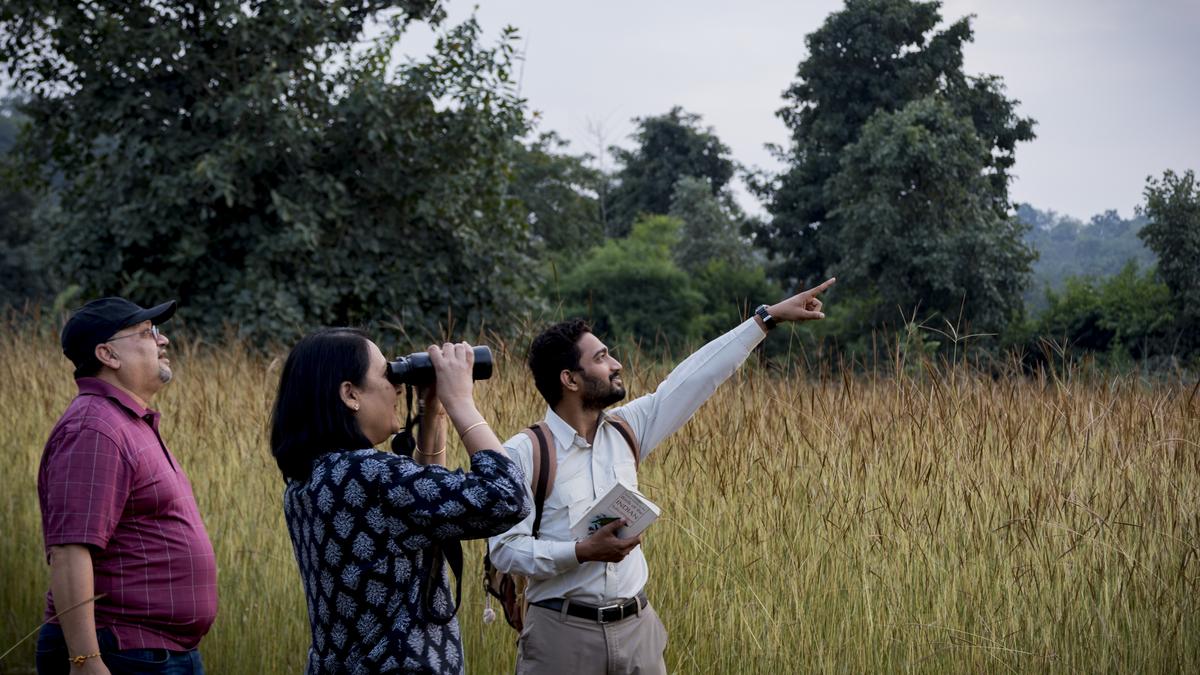
Bandhavgarh National Park in Madhya Pradesh continues to attract wildlife enthusiasts keen to observe tigers in their natural habitat. Recent visits to the forest reserve demonstrate that tiger sightings remain possible while the management increasingly emphasizes ecological awareness among visitors.
The park's evolving approach to tourism reflects growing recognition that visitor experiences must be balanced against wildlife protection objectives. Guides and forest officials now prioritize educating tourists about tiger behavior, forest ecosystems, and the delicate ecological relationships that sustain the park's biodiversity. This shift toward interpretive tourism has become integral to how the reserve manages its dual mandate of conservation and visitor access.
Observing tigers in Bandhavgarh provides firsthand lessons in wildlife ecology that extend beyond the thrill of a sighting. Visitors gain insight into predator-prey dynamics, habitat requirements, and the broader environmental factors affecting tiger populations across central India. Such educational experiences are reshaping visitor expectations and attitudes toward responsible wildlife tourism.
The park's management has strengthened protocols governing safari routes, vehicle density, and visitor behavior to minimize disturbance to tiger populations and their habitat. These measures reflect broader industry standards increasingly adopted across India's tiger reserves, where conservation outcomes depend on sustainable tourism practices that respect ecological boundaries.