World · India Bureau
Bangka Slow Loris Population Rebounds After Near-Extinction Fears
A decade-long study has documented over 90 individuals of the rare Bangka slow loris, offering hope for the venomous primate species once feared extinct. Wildlife rescue operations have played a crucial role in both identifying the animals and supporting their rehabilitation.
LSN India ·
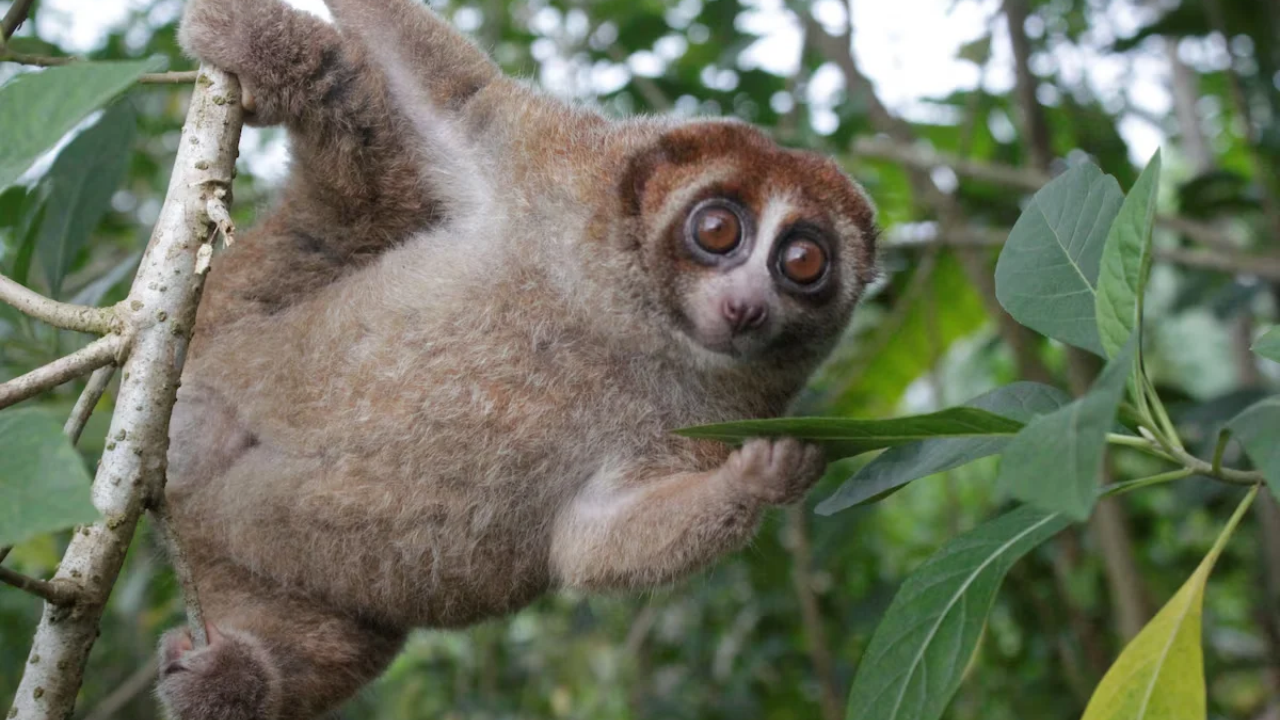
The Bangka slow loris, a critically endangered primate endemic to Indonesia's Bangka Island, has been found to persist in far greater numbers than previously believed, according to findings from comprehensive rescue and research efforts spanning 2015 to 2025.
Wildlife rescue teams operating on Bangka Island have documented more than 90 individuals of the species during the decade-long study period, reversing earlier assumptions that the population had been devastated beyond recovery. The venomous primates, identifiable by their distinctive large eyes and slow movements, represent a significant discovery for conservation efforts in the region.
These rescue operations have extended beyond mere documentation. Rehabilitation initiatives coordinated alongside research work have provided direct support to vulnerable individuals, contributing to population stability and species survival. The dual approach of rescue and study has illuminated the ecological requirements and behavioral patterns of this little-understood nocturnal species.
Despite the encouraging rediscovery, conservation experts warn that habitat loss remains the primary threat to long-term survival of the Bangka slow loris. Ongoing deforestation and land conversion on the island continue to fragment the forests these animals depend upon. Researchers stress that while current population numbers offer hope, sustained habitat protection and expanded rescue networks will be essential to prevent future population decline.