Politics · Vietnam Bureau
Bangkok faces existential flooding threat as sea levels rise by 2050
Rising Gulf sea levels threaten to submerge roughly one-third of Bangkok within three decades, potentially displacing millions of residents. Climate projections show the Thai capital confronting severe inundation risks by mid-century.
LSN Vietnam ·
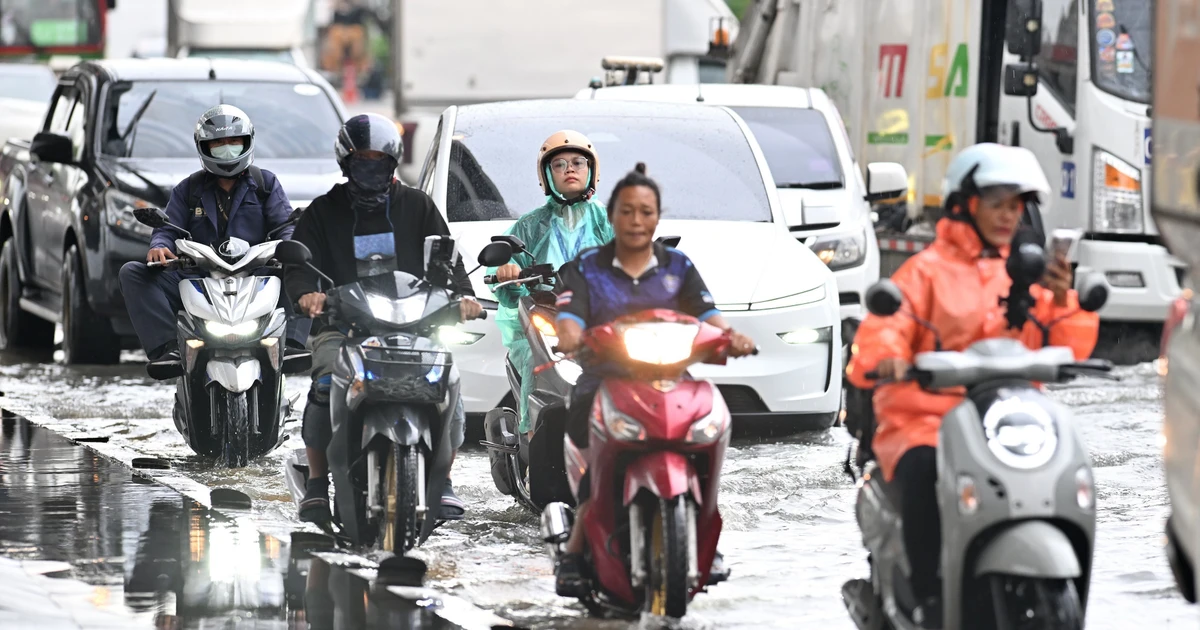
Thailand's capital city faces an unprecedented climate crisis as sea levels in the Gulf of Thailand are projected to rise between 20 and 30 centimetres by 2050, threatening to permanently flood significant portions of Bangkok. The anticipated rise would submerge approximately one-third of the metropolis, according to climate assessments cited by regional analysts. The potential inundation poses catastrophic consequences for the densely populated urban centre, which is home to an estimated 11 to 12 million people who could face forced displacement.
The escalating climate threat comes as Bangkok grapples with its naturally low-lying topography and existing subsidence issues, which compound vulnerability to rising waters. The city's vulnerable geography, combined with projected sea-level increases driven by climate change, creates a compounding risk scenario for Southeast Asia's largest metropolitan area.
In response to mounting climate pressures, Thailand has moved to strengthen its defences against flooding hazards. The government has approved a 9.2 billion-dollar flood control initiative designed to mitigate inundation risks across critical urban areas. The ambitious project represents a significant commitment to protecting Bangkok's population and infrastructure from escalating water-related threats.
Parallel efforts underscore Thailand's broader commitment to urban sustainability. Bangkok has achieved recognition for gender equality initiatives through partnership with the United Nations Development Programme, while separate urban regeneration projects aim to integrate green spaces and smart city infrastructure into the capital's evolving landscape. These complementary initiatives reflect an attempt to balance climate adaptation with sustainable urban development as the city confronts an uncertain environmental future.