World · World News Bureau
Bangladesh embraces rooftop solar and distributed energy networks
Bangladesh is shifting toward a decentralized power generation model, installing solar panels on residential and commercial rooftops while expanding distributed energy infrastructure. The strategy aims to address chronic electricity shortages and reduce dependence on centralized grid systems.
LSN World News ·
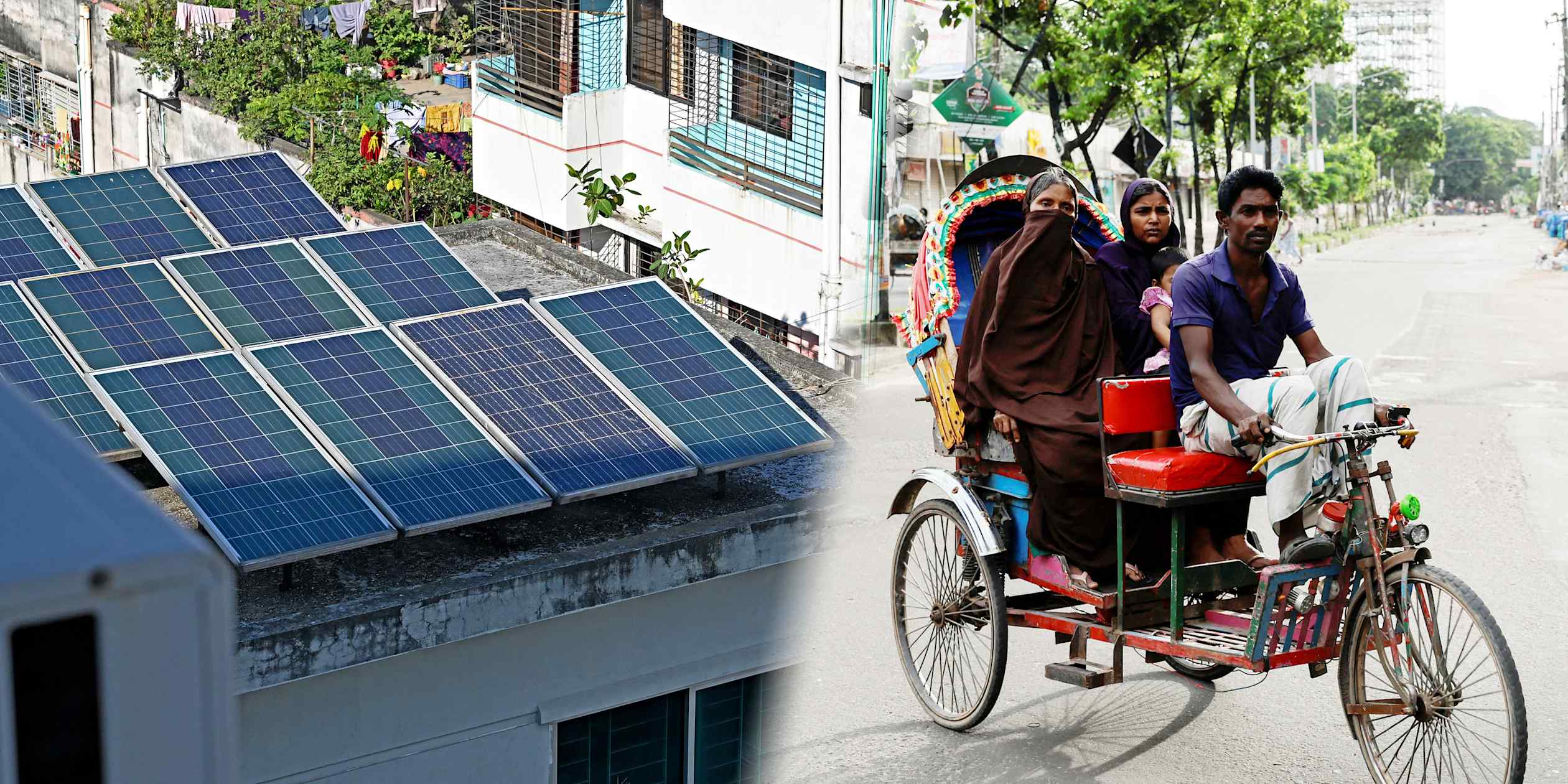
Bangladesh is pursuing an ambitious energy transition by tapping into distributed power generation across urban and rural areas. Solar installations on rooftops have become increasingly common in cities, while smaller-scale renewable energy systems are being deployed in communities with limited grid access. The approach reflects efforts to diversify energy sources and improve reliability in a nation frequently challenged by peak-demand blackouts.
The shift toward distributed systems extends beyond rooftop solar to include renewable energy solutions integrated into transportation and commercial sectors. Mobile vendors using solar-powered rickshaws and three-wheelers represent an emerging trend in the country's clean energy adoption, demonstrating how distributed generation can support informal economy workers while reducing reliance on diesel fuel.
Government initiatives and private investment are driving the expansion of decentralized power infrastructure. Bangladesh faces persistent challenges meeting electricity demand as its economy grows, making distributed generation an attractive complement to large thermal and hydroelectric plants. The model also promises to enhance energy access in rural areas where grid extension remains costly and difficult.
Experts note that widespread adoption of distributed systems requires upgrades to electrical infrastructure and regulatory frameworks governing small-scale power producers. Bangladesh is gradually implementing net-metering policies and incentive programs to encourage residential and commercial solar installations. These measures signal the government's commitment to building a more resilient and diversified energy system.