World · Singapore Bureau
Bangladesh establishes wage board amid escalating garment worker unrest
Bangladesh has moved to establish a wage board as protests by textile workers intensify over deteriorating living standards. The action comes as demonstrations turn violent, driven by workers' concerns over surging costs of essentials.
LSN Singapore ·
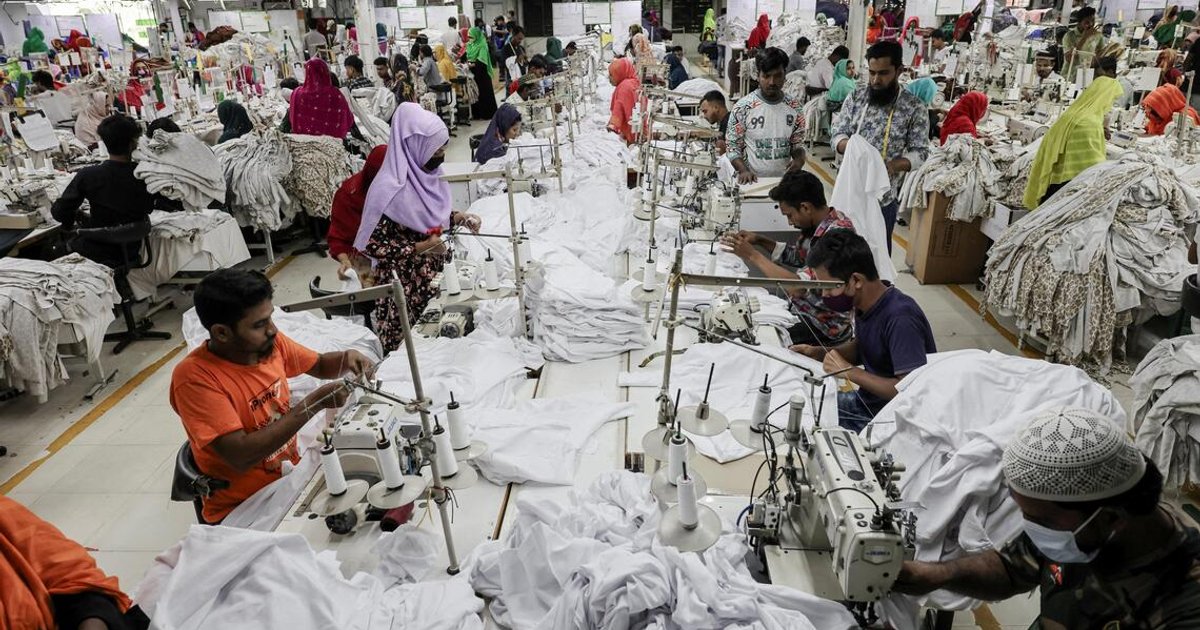
Bangladesh authorities have established a wage board in response to mounting unrest in the garment sector, where thousands of workers have taken to the streets demanding better compensation and working conditions.
The move follows a series of increasingly volatile protests across the country's major manufacturing hubs. Workers have cited sharp increases in the cost of living as a primary grievance, with expenses for food, housing, transport and healthcare consuming an ever-larger share of their already modest wages.
The textile and garment industry remains a cornerstone of Bangladesh's economy, employing millions and generating substantial export revenues. However, workers in the sector have long struggled with low wages that have failed to keep pace with inflation, leaving many unable to meet basic needs.
The establishment of the wage board signals government acknowledgment of the crisis, though labour groups remain skeptical about whether the measure will deliver meaningful wage increases. Previous wage hikes in the sector have been modest relative to inflation rates, and workers have expressed frustration over the slow pace of reforms.
With global demand for Bangladeshi garments fluctuating and international buyers increasingly sensitive to labour unrest, the government faces pressure to stabilize the situation while managing the competing interests of workers, manufacturers and export markets.