Business · Malaysia Bureau
Bangladesh establishes wage board as garment sector protests intensify
Bangladesh has formed a wage board to address labour grievances as thousands of garment workers continue demonstrations across Dhaka. The protests reflect growing discontent over stagnant wages amid rising living costs.
LSN Malaysia ·
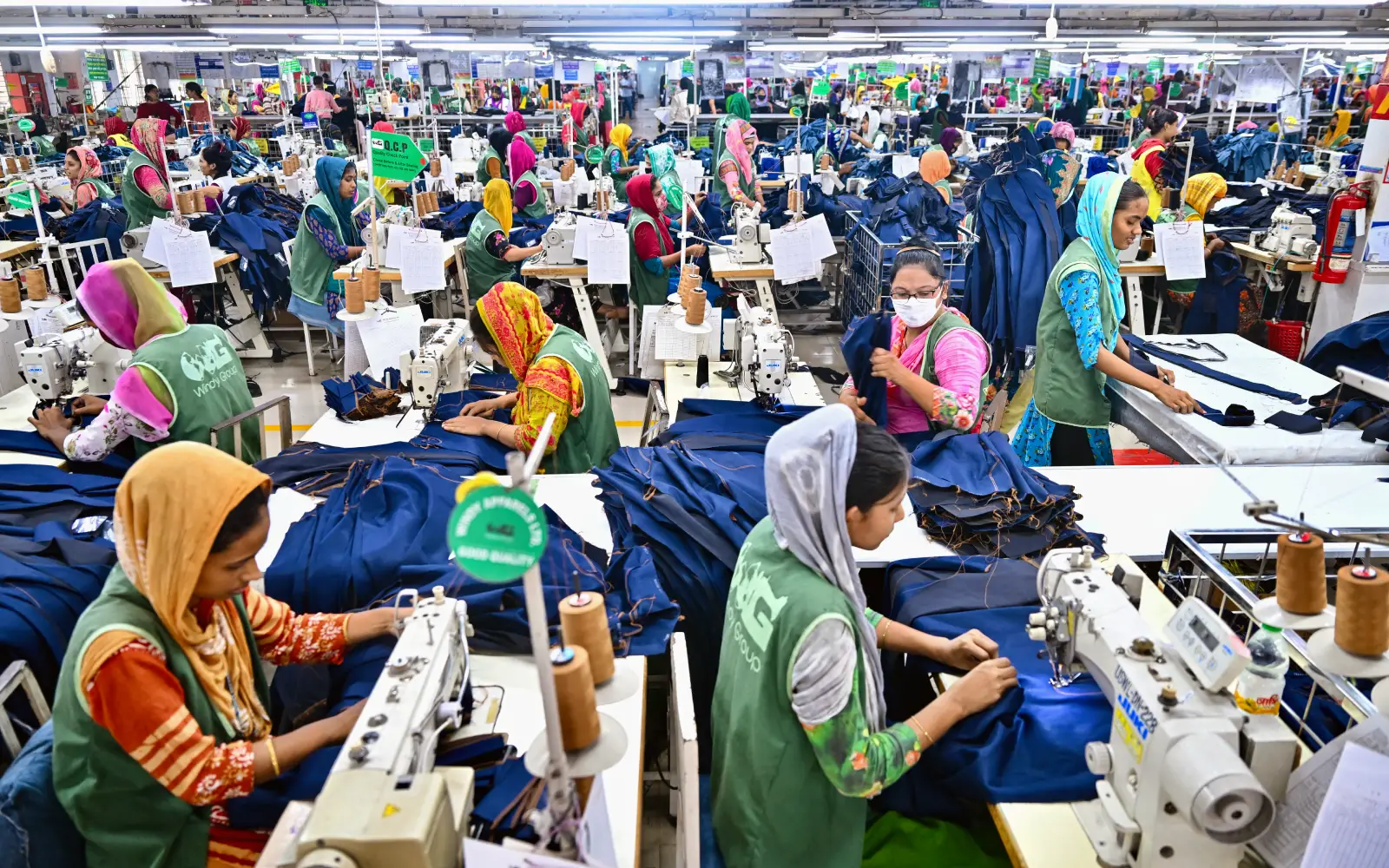
Bangladeshi authorities have established a wage board in response to escalating unrest in the country's vital garment manufacturing sector, where workers have maintained sustained protests over compensation and working conditions. The move comes as thousands of demonstrators have taken to the streets around the capital, with clashes between protesters and police marking the increasingly tense standoff.
Workers have cited inflation and surging household expenses as primary grievances, arguing that current wage levels fail to meet their basic needs. The demonstrations have drawn significant numbers of participants from factories across the Dhaka region, underscoring widespread frustration within the labour force.
The establishment of the wage board represents an attempt by the government to engage stakeholders and address the underlying issues driving the protests. Officials have indicated that the board will review wage structures and working conditions within the garment industry, which remains one of Bangladesh's largest export sectors and a major employer.
The unrest highlights the precarious financial situation facing many garment workers, whose wages have historically lagged behind inflation rates. Industry observers note that labour tensions in the sector could have broader implications for Bangladesh's economy and its standing as a global apparel manufacturing hub.