World · Bangladesh Bureau
Bangladesh excels at removing dictators but struggles with institution-building: Anam
The Daily Star editor-in-chief Mahfuz Anam has highlighted a critical paradox in Bangladesh's democratic trajectory, noting the country's success in overthrowing authoritarian regimes contrasts sharply with its difficulty in establishing strong democratic institutions.
LSN Bangladesh ·
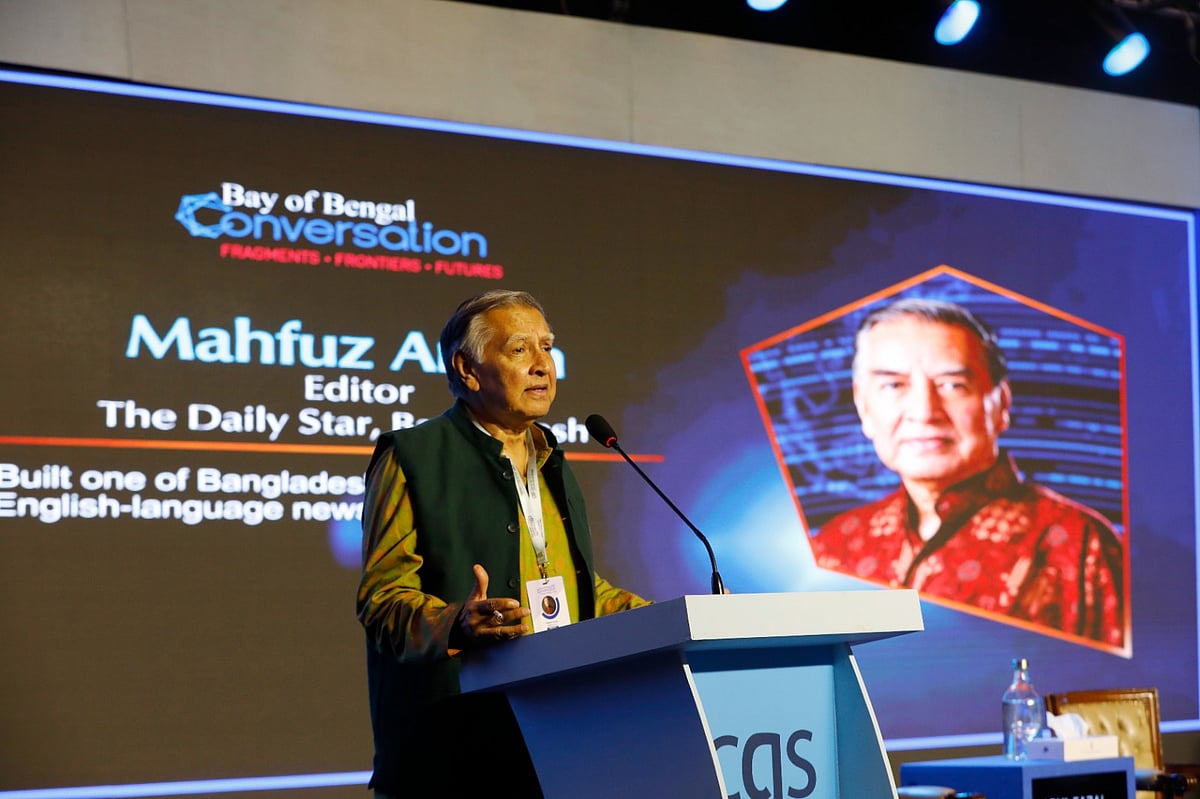
Mahfuz Anam, editor-in-chief of The Daily Star, has articulated a fundamental challenge confronting Bangladesh's democratic development: while the nation has demonstrated capacity to mobilize against authoritarian rule, it has struggled to construct lasting institutional frameworks that sustain democratic governance.
Anam's observation underscores a pattern evident throughout Bangladesh's modern political history. The country has witnessed multiple transitions away from authoritarian leadership, yet the establishment of robust democratic institutions—including independent judiciary, autonomous civil service, and accountable legislative processes—has remained elusive.
The criticism reflects broader concerns among analysts and observers regarding the quality of democratic consolidation in South Asia. Without strong institutional foundations, democratic gains achieved through popular movements risk remaining fragile and vulnerable to reversal.
Anam's assessment suggests that Bangladesh must shift focus from the cyclical pattern of removing undemocratic regimes toward the more complex task of building institutional safeguards that prevent autocratic resurgence. This institutional capacity-building, observers argue, requires sustained political will, constitutional reform, and commitment to rule of law across all branches of government.
The challenge remains particularly acute as Bangladesh navigates its political transition, with questions about constitutional framework, electoral processes, and institutional independence continuing to dominate public discourse.