World · Bangladesh Bureau
Bangladesh faces energy security challenges amid Qatar LNG uncertainty
Volatility in Qatar's liquefied natural gas supplies threatens Bangladesh's energy stability as the nation relies heavily on imported LNG to meet growing domestic demand. Uncertainty in global LNG markets has raised concerns about future supply reliability and pricing for Bangladesh's power generation sector.
LSN Bangladesh ·
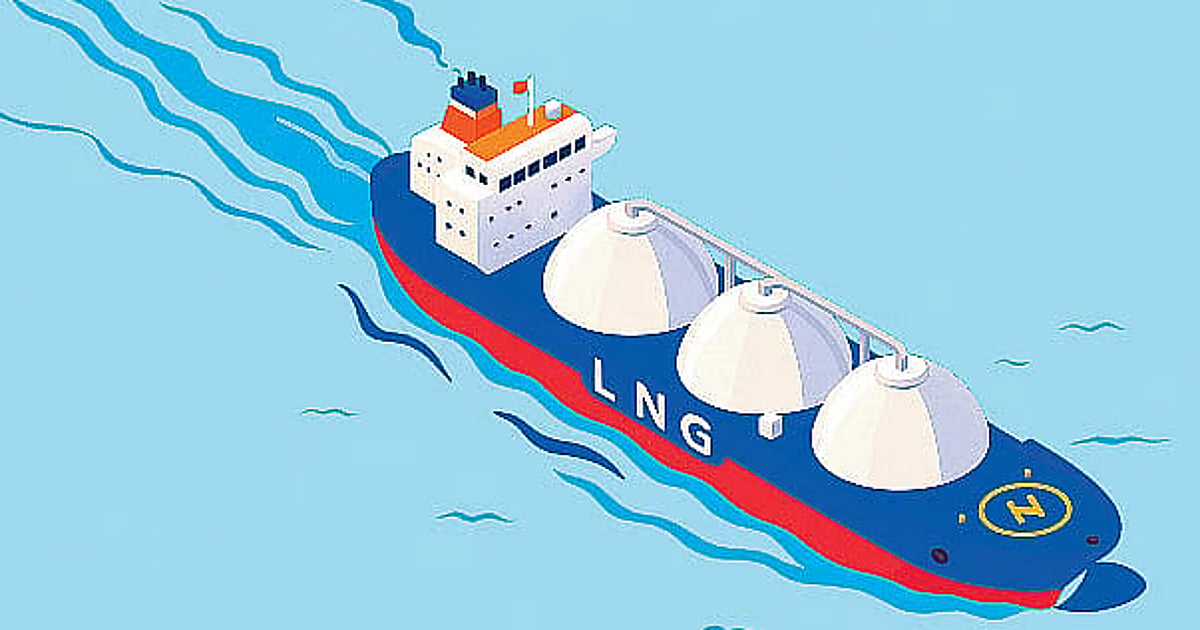
Bangladesh is confronting mounting energy security risks as disruptions to Qatar's liquefied natural gas exports create instability in international supply chains. The South Asian nation depends significantly on LNG imports to supplement domestic natural gas reserves, which have been declining steadily over recent years. Any disruption to Qatar's LNG capacity—a major global supplier—directly threatens Bangladesh's ability to maintain reliable power generation and meet the energy needs of its growing economy.
The uncertainty extends beyond simple supply concerns. Volatility in LNG availability and pricing creates planning difficulties for Bangladesh's energy sector, forcing policymakers to consider alternative strategies for meeting the nation's expanding electricity requirements. Power plants across Bangladesh that have been configured to use LNG face operational challenges when shipments become unreliable or prohibitively expensive.
Industry observers note that Bangladesh's vulnerability reflects a broader regional challenge, as multiple Asian economies compete for limited LNG supplies. The nation has previously experienced disruptions that underscored the risks of heavy dependence on any single supplier or energy source. Experts suggest diversifying import sources and accelerating domestic energy initiatives could help mitigate exposure to external shocks.
As Bangladesh pursues its development goals and industrialization targets, energy security has emerged as a critical policy priority. Government officials are examining long-term strategies to reduce vulnerability to supply disruptions while exploring renewable energy investments and regional cooperation mechanisms to strengthen the nation's overall energy resilience.