Culture & Entertainment · Bangladesh Bureau
Bangladesh faces higher education crisis as HSC pass rates decline sharply
Fewer students have passed the Higher Secondary Certificate examination this year, leaving over 800,000 seats vacant across the country's colleges and universities. The shortfall raises concerns about enrollment capacity and educational accessibility.
LSN Bangladesh ·
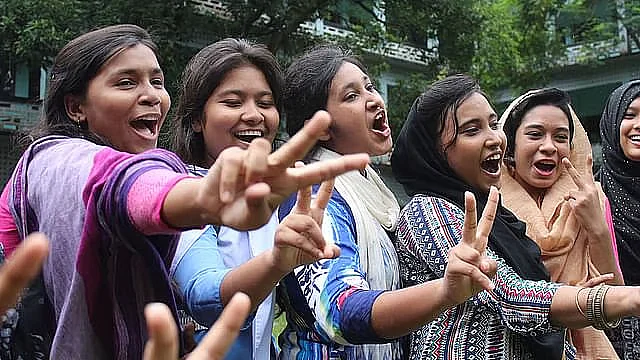
Bangladesh is confronting a significant challenge in its higher education sector as declining HSC pass rates have created a substantial surplus of seats in colleges and universities nationwide. The examination results have produced fewer qualifying candidates than in previous years, with projections indicating that more than 800,000 positions in tertiary institutions will remain unfilled.
The gap between available capacity and qualified applicants represents a marked shift in enrollment patterns and signals potential difficulties for educational institutions dependent on student admissions. Universities and colleges across the nation have traditionally operated near or at capacity, making the sudden availability of so many vacant seats an unprecedented situation for the higher education system.
Education officials and institutional administrators are now assessing the implications of these figures for curriculum planning, budget allocation, and institutional sustainability. The shortfall may necessitate revised admission strategies and prompt discussions about entrance examination standards and academic preparedness among secondary-level students.
The development reflects broader concerns about educational outcomes and the quality of instruction at the secondary level. Stakeholders in Bangladesh's education sector are expected to examine the underlying causes of the declining pass rates and consider policy responses to address gaps in student achievement and ensure the effective utilization of higher education resources.