World · Bangladesh Bureau
Bangladesh faces mounting pressure to ban toxic herbicide paraquat
Health experts and agricultural specialists are calling for urgent action to restrict or eliminate paraquat use in Bangladesh, citing serious health and environmental risks. The herbicide, already banned in numerous countries, remains widely available and used across Bangladeshi farms.
LSN Bangladesh ·
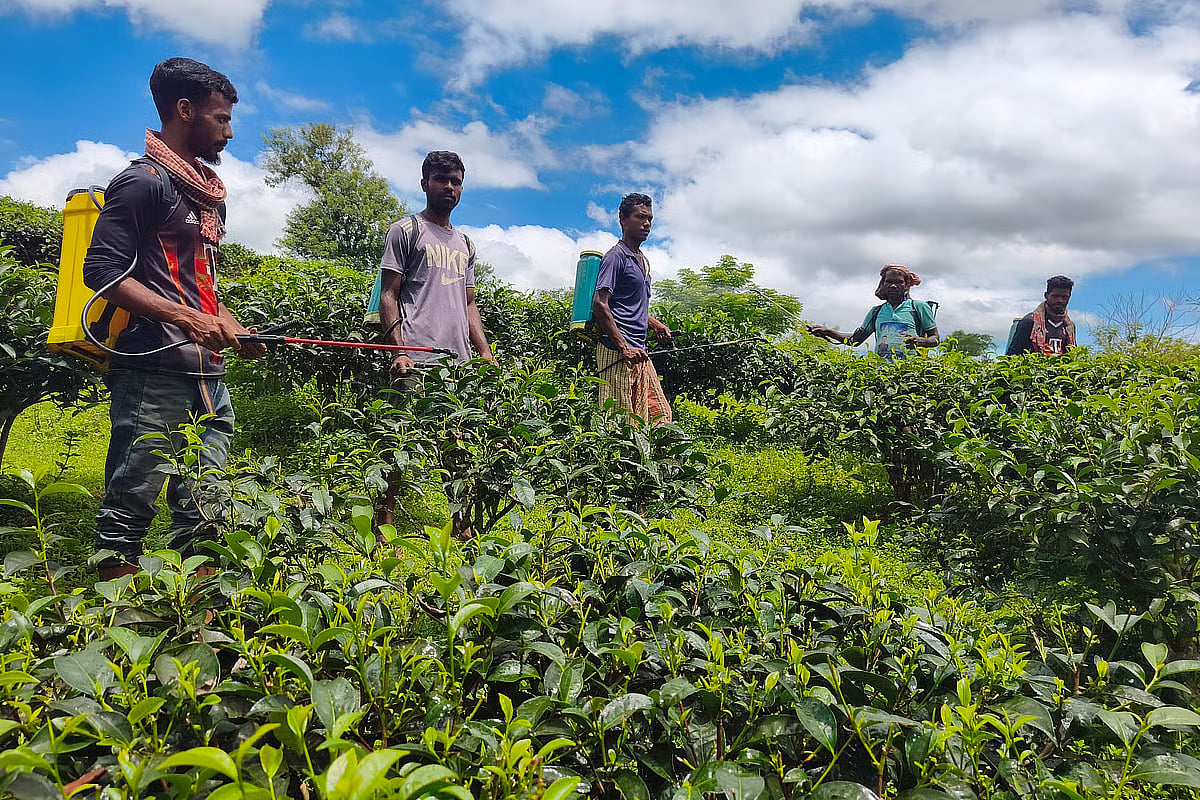
Paraquat, a fast-acting herbicide commonly used in Bangladesh for weed control, has become the focus of growing concern among public health officials and agricultural experts who warn of its severe toxicological effects. The chemical, which has been restricted or banned outright in over 40 countries including the European Union and Sri Lanka, continues to be marketed and applied extensively across Bangladesh's agricultural sector without adequate safeguards.
Exposure to paraquat has been linked to multiple health hazards, including acute poisoning cases that can prove fatal within hours of ingestion, as well as chronic conditions such as pulmonary fibrosis and kidney damage. Agricultural workers and farm labourers in Bangladesh face particular vulnerability due to limited access to protective equipment and inadequate training in safe handling practices. Environmental contamination through soil and water systems presents additional risks to broader populations.
The case for regulatory action has strengthened following accumulating epidemiological evidence and the precautionary stance adopted by other developing nations. Bangladesh currently lacks comprehensive restrictions on paraquat, despite documented poisoning incidents and growing recognition of its hazards. Agricultural experts suggest that safer alternative herbicides and integrated pest management approaches could effectively replace paraquat without compromising crop productivity.
Stakeholders including health ministries, agricultural authorities, and civil society organisations are increasingly calling for the government to initiate a formal review process that could lead to restrictions or an outright ban. Such action would align Bangladesh with international standards and protect both agricultural workers and the general population from preventable harm. The debate reflects a broader tension between agricultural efficiency and public health priorities in developing economies.