World · Bangladesh Bureau
Bangladesh Falls Short on International Human Trafficking Standards
Bangladesh has not achieved full compliance with minimum international standards for combating human trafficking, according to assessments of the country's anti-trafficking efforts. The finding underscores ongoing challenges in law enforcement, victim protection, and prevention measures.
LSN Bangladesh ·
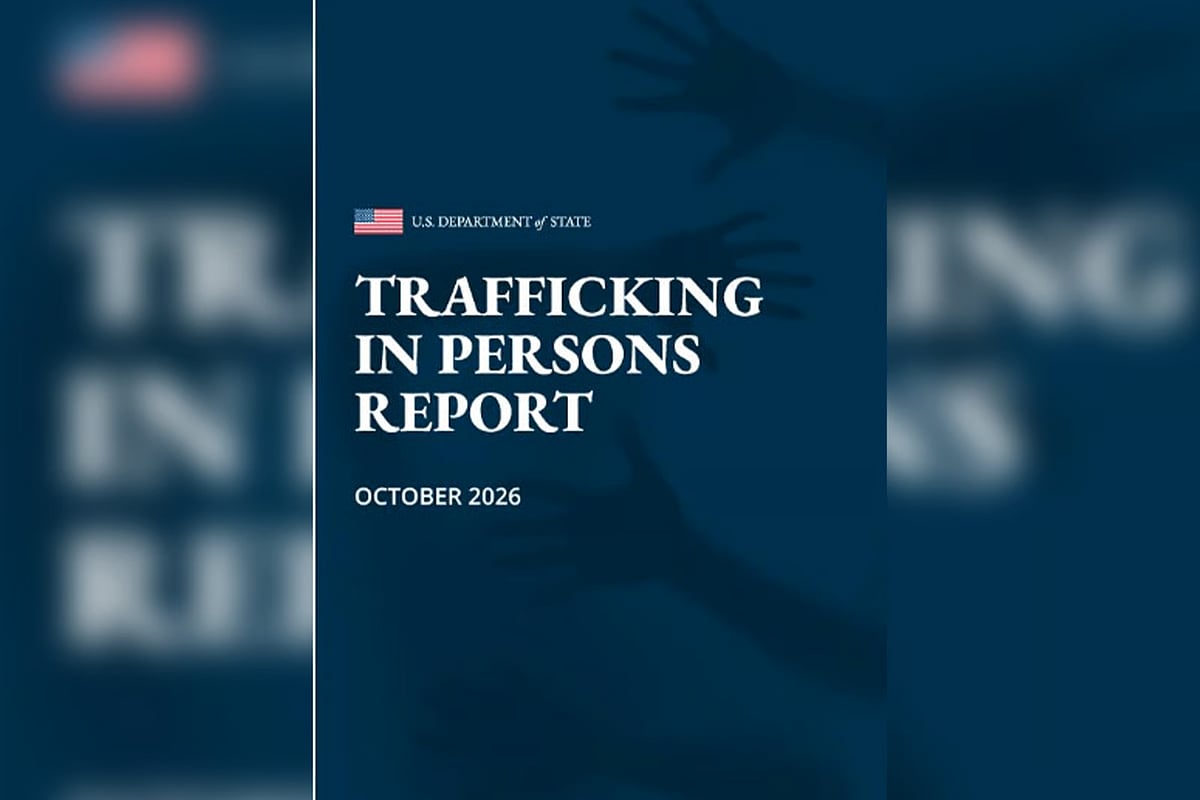
Bangladesh continues to struggle with meeting global benchmarks established to combat human trafficking, a persistent challenge affecting thousands of vulnerable citizens each year. The country's efforts to prosecute traffickers, protect survivors, and prevent exploitation remain insufficient under international monitoring frameworks that assess nations' commitment to eliminating the crime.
The assessment highlights gaps in several critical areas, including inconsistent prosecution of trafficking cases, limited resources for victim rehabilitation and reintegration, and inadequate coordination between government agencies and civil society organizations. Experts point to Bangladesh's position as both a source and transit country for trafficking victims, many of whom are transported internally or across borders to neighboring nations for labor and sexual exploitation.
Authorities have implemented various initiatives to address the problem, including dedicated anti-trafficking units and legislative frameworks. However, implementation remains uneven, with law enforcement capacity and judicial resources strained across the country. NGOs operating in Bangladesh have documented thousands of trafficking cases annually, though official figures may not capture the full scope of the problem.
Improving Bangladesh's standing will require strengthened institutional capacity, enhanced inter-agency coordination, and sustained investment in victim support services. International partners continue to provide technical assistance and funding to support the government's anti-trafficking agenda. Officials acknowledge the need for comprehensive reform to meet minimum international standards and protect vulnerable populations from exploitation.