World · Bangladesh Bureau
Bangladesh farmers struggle with fertiliser shortages and soaring costs
Agricultural producers across Bangladesh are facing critical challenges in obtaining adequate fertiliser supplies as prices surge, threatening crop productivity during the crucial planting season. The dual crisis of limited availability and elevated costs is pressuring farmers already dealing with rising input expenses.
LSN Bangladesh ·
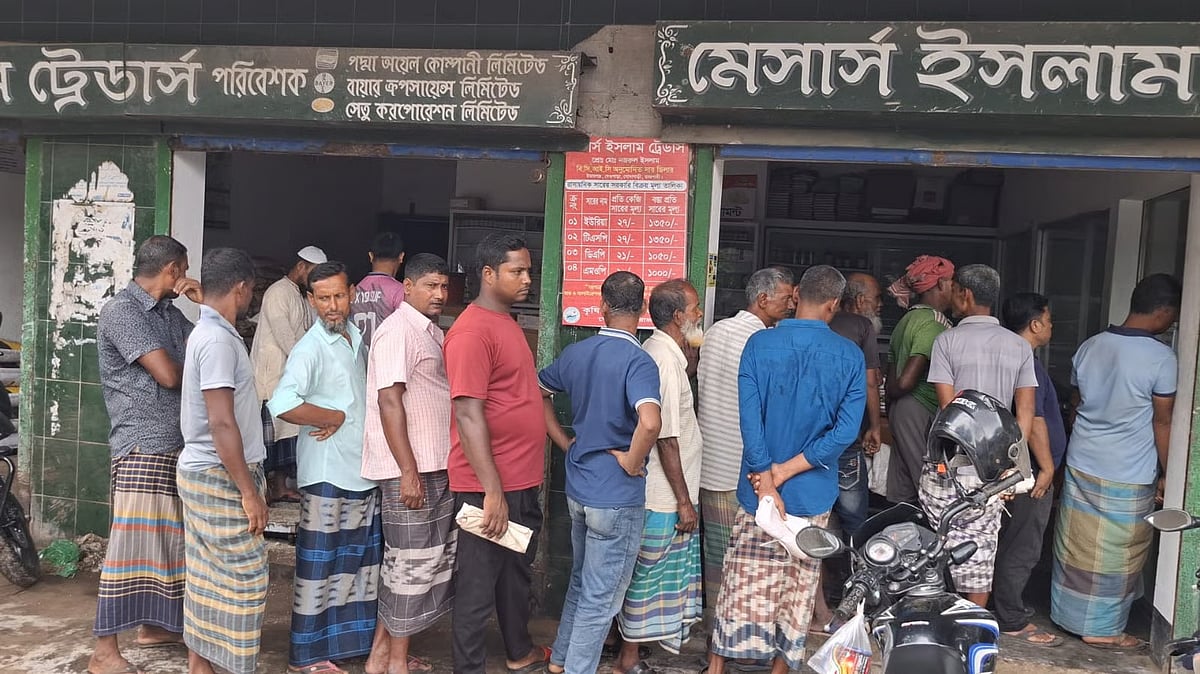
Farmers throughout Bangladesh are encountering significant difficulties in procuring sufficient fertiliser stocks, even as market prices climb beyond the reach of many agricultural producers. The shortage comes at a particularly critical juncture as the planting season advances, leaving many growers unable to access the quantities needed for optimal crop yields.
The fertiliser crisis reflects broader supply chain disruptions affecting the agricultural sector. With domestic production unable to meet demand and international procurement proving increasingly expensive, farmers are forced to either reduce fertiliser application rates or postpone purchases entirely, risking diminished harvests.
The price escalation compounds existing pressures on farm economics. Smallholder farmers, who constitute the majority of agricultural producers in Bangladesh, report that fertiliser costs have become a substantial portion of their total input expenses, reducing profit margins and threatening the viability of their operations during an already challenging economic period.
Agricultural officials and farming associations have raised concerns about the long-term impact on national food security and rural livelihoods if the supply constraints and price inflation persist through the growing season. The situation underscores Bangladesh's vulnerability to global commodity market fluctuations and the need for sustainable domestic fertiliser production capacity.