Business · Bangladesh Bureau
Bangladesh fruit tariff exceeds luxury car duties in trade anomaly
Bangladesh imposes significantly higher import duties on oranges than on Mercedes-Benz vehicles, highlighting inconsistencies in the country's tariff structure that disadvantage agricultural imports while favouring luxury goods.
LSN Bangladesh ·
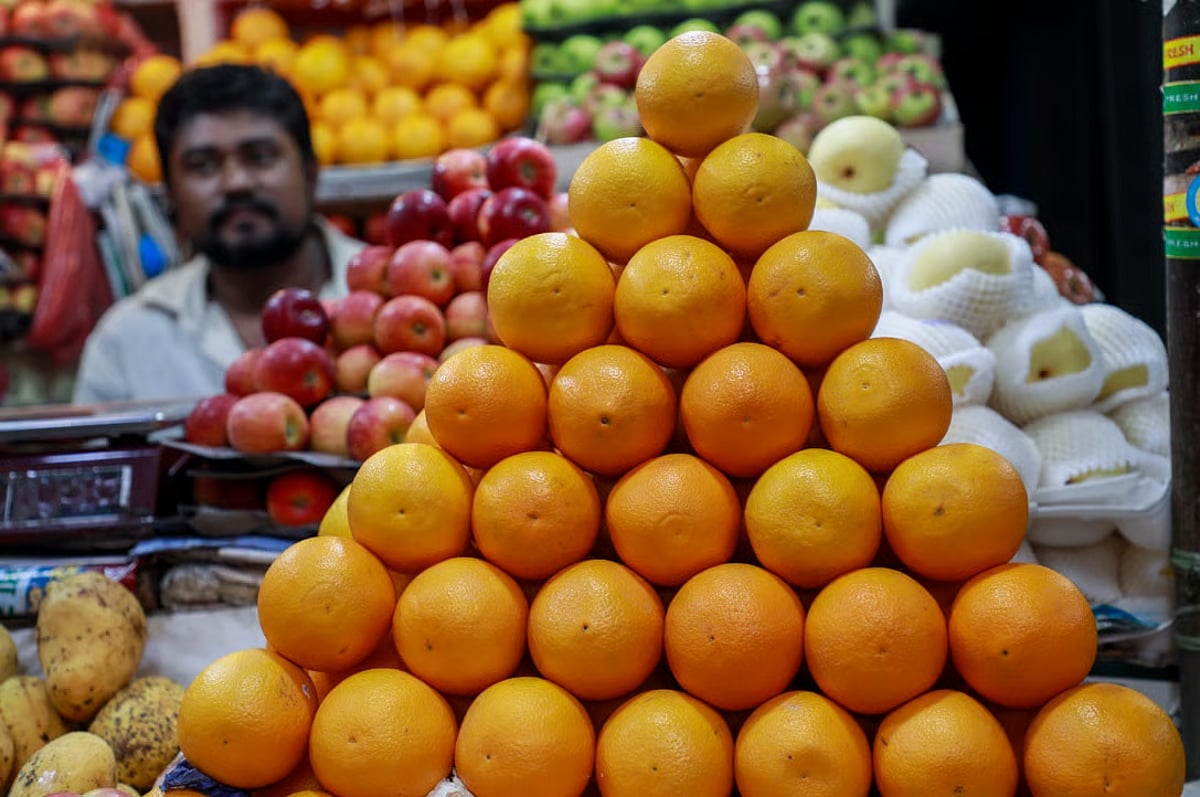
Trade analysts have flagged a peculiar disparity in Bangladesh's import duty framework, where oranges face steeper tariffs than high-end automobiles including Mercedes-Benz cars. The duty structure reveals that fresh citrus fruits carry a substantially higher tax burden upon entry into the country compared to luxury vehicle imports, creating an inverted incentive system that disadvantages agricultural products over premium goods.
The tariff anomaly underscores broader concerns about the coherence of Bangladesh's customs regime. Economists argue that duty structures should logically protect domestic agricultural sectors by imposing higher levies on competing imports, while manufacturing sectors with limited domestic capacity might warrant lower duties to facilitate technological transfer and capital investment.
This inverse arrangement raises questions about the rationale behind Bangladesh's tariff classification system. Critics contend that the differential treatment distorts market incentives, potentially weakening local fruit farmers' competitiveness while subsidising imported luxury consumption. The structure appears misaligned with conventional trade policy objectives that typically prioritise domestic food security and agricultural sustainability.
Trade policy experts have called for a comprehensive review of Bangladesh's tariff schedules to ensure duties reflect genuine policy priorities. Such alignment would help protect vulnerable agricultural sectors while maintaining rational incentives across the import regime, they argue.