Culture & Entertainment · India Bureau
Bangladesh garment factory owners threaten indefinite shutdowns over wage dispute
Textile manufacturers in Bangladesh have warned they may withdraw from ongoing wage negotiations and halt production, escalating tensions in the country's crucial apparel sector. The standoff threatens significant disruption to a industry that employs millions and generates billions in export revenue.
LSN India ·
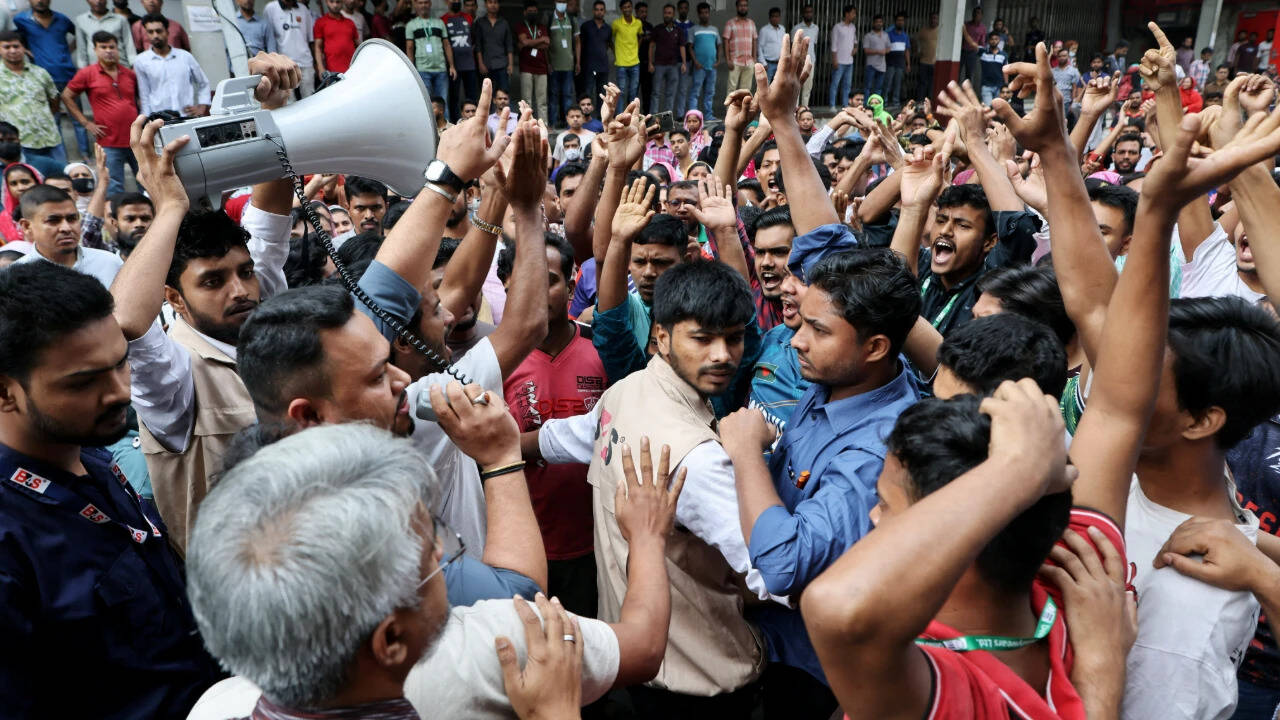
Garment factory owners in Bangladesh have issued a stark ultimatum to abandon wage talks and implement indefinite factory closures, marking a significant escalation in labor disputes affecting the nation's most important export industry. The threat reflects deepening acrimony between manufacturers and workers over compensation and working conditions in a sector that underpins the country's economy.
The standoff centers on disagreements over wage levels and the terms under which workers and employers have been conducting negotiations. Factory owners argue their position is untenable under current proposals, while labor representatives contend that wages remain inadequate given inflation and cost of living increases.
An indefinite shutdown would have far-reaching consequences for Bangladesh's garment industry, which supplies major international retailers and generated approximately $42 billion in exports last year. Such action could disrupt global supply chains and threaten the livelihoods of millions of workers dependent on factory employment.
The crisis underscores ongoing tensions in Bangladesh's labor relations as the country struggles to balance the interests of manufacturers seeking competitive production costs with workers demanding improved standards. Previous wage disputes have sometimes led to strikes, factory shutdowns, and occasionally violence, prompting calls for intervention from government officials and international labor organizations.
Both sides remain at an impasse, with factory owners insisting current wage demands are unsustainable and workers' representatives maintaining that any agreement must address their members' basic needs.