Business · Bangladesh Bureau
Bangladesh garment sector expands amid persistent wage gap concerns
The readymade garment industry continues its upward trajectory despite mounting operational pressures, yet Bangladesh remains significantly behind global counterparts in worker compensation, industry analysts say.
LSN Bangladesh ·
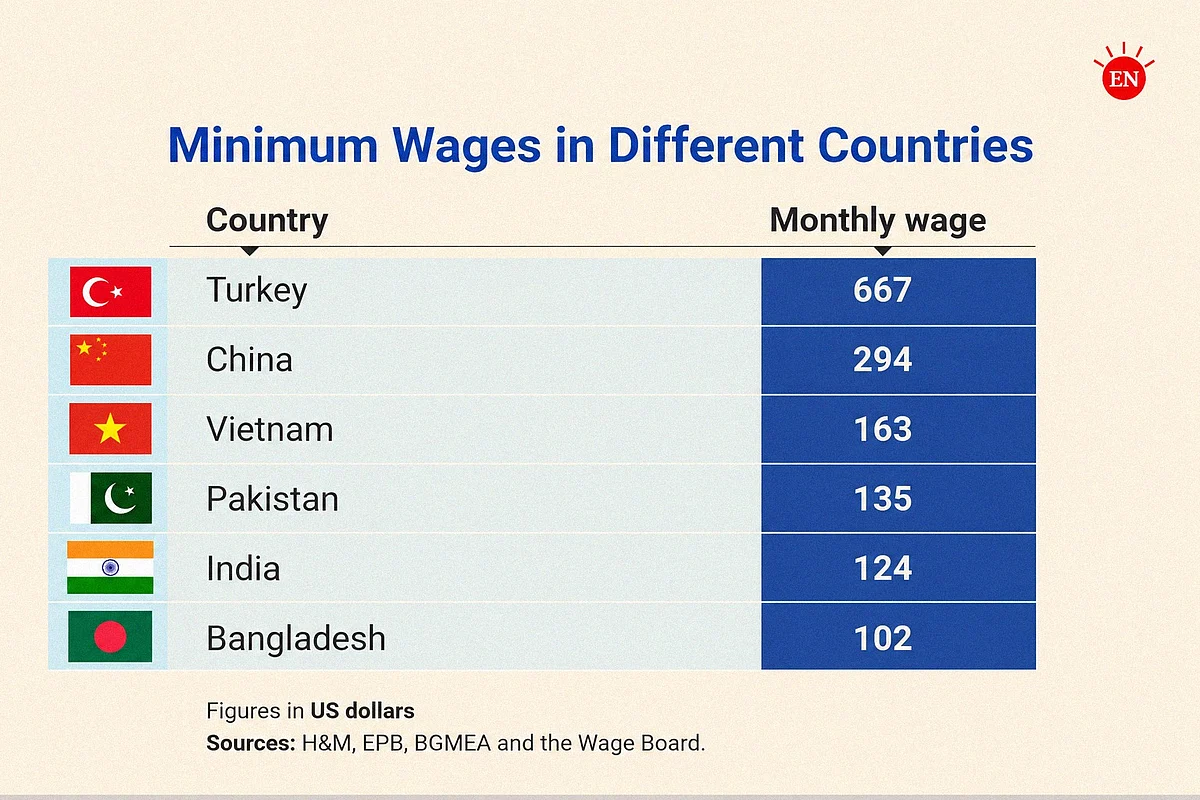
The readymade garment (RMG) sector in Bangladesh has sustained its growth momentum despite facing headwinds from rising production costs, supply chain disruptions, and shifting consumer demand patterns. The industry, which accounts for a substantial portion of the country's export earnings and employment, continues to expand its output and market reach across major global markets.
However, workforce remuneration remains a critical challenge for the sector. Wage levels in Bangladesh's garment factories lag considerably behind those offered in competing manufacturing hubs across South and Southeast Asia, creating concerns about worker welfare and the country's competitive positioning. Industry observers note that wage pressures have intensified as global retailers increasingly scrutinize labor practices and sustainability standards.
Factory owners cite the need to balance wage improvements with cost competitiveness, as many operate on thin profit margins amid intense international competition. Meanwhile, workers and labor rights advocates continue calling for substantial wage increases to address living costs and improve working conditions across the sector.
Government and industry stakeholders are engaged in ongoing discussions about wage frameworks and labor standards as the sector navigates these challenges. The outcome of these deliberations is expected to shape the industry's trajectory and Bangladesh's long-term position as a preferred garment manufacturing destination.