Business · Singapore Bureau
Bangladesh garment sector faces production halt amid wage protests
Labour unrest has disrupted operations across Bangladesh's garment manufacturing heartland, with hundreds of factories forced to suspend work as workers demand better pay. The industrial action threatens to test the competitiveness of an industry that has long relied on low wage costs.
LSN Singapore ·
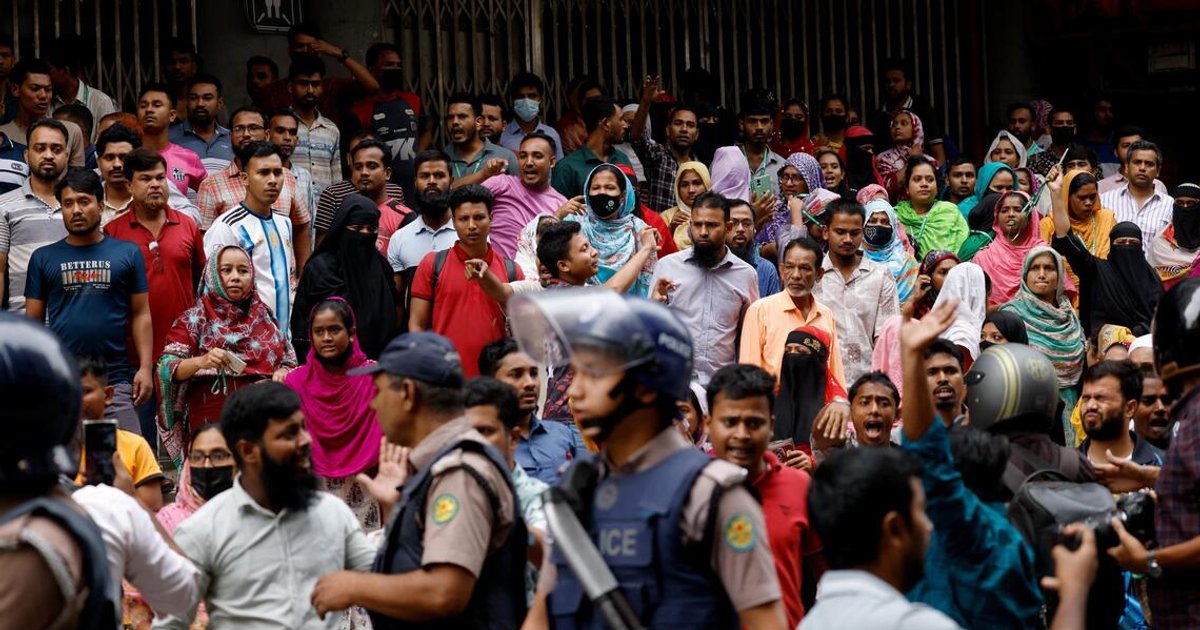
Widespread protests erupted across the Dhaka region starting October 31, as workers in Bangladesh's garment sector took to the streets demanding wage increases. The industrial action resulted in production stoppages across hundreds of factories, marking a significant challenge to an industry that employs millions and forms a cornerstone of the nation's export economy.
The protests reflect growing tensions within a manufacturing sector built on labour-cost advantages. Bangladesh's garment industry has historically competed globally by maintaining lower wage structures compared to regional rivals, a model that has attracted major international brands and retailers. However, workers have increasingly pressed for improved compensation to keep pace with rising living costs.
The scale of the current unrest underscores persistent friction between factory owners and employees over wage levels and working conditions. For Bangladesh's apparel manufacturers, the labour disruptions present a delicate challenge: responding to worker demands while maintaining the cost competitiveness that underpins their market position.
The outcome of these disputes will likely influence labour dynamics across South Asia's garment sector, potentially affecting supply chains for global fashion retailers who rely heavily on Bangladeshi production capacity. Industry observers are monitoring developments closely as negotiations between factory management and worker representatives continue.