World · Bangladesh Bureau
Bangladesh garment sector grapples with wage adequacy debate
Industry stakeholders and labor advocates continue to dispute appropriate compensation levels for Bangladesh's millions of garment workers, with significant implications for the nation's textile export economy.
LSN Bangladesh ·
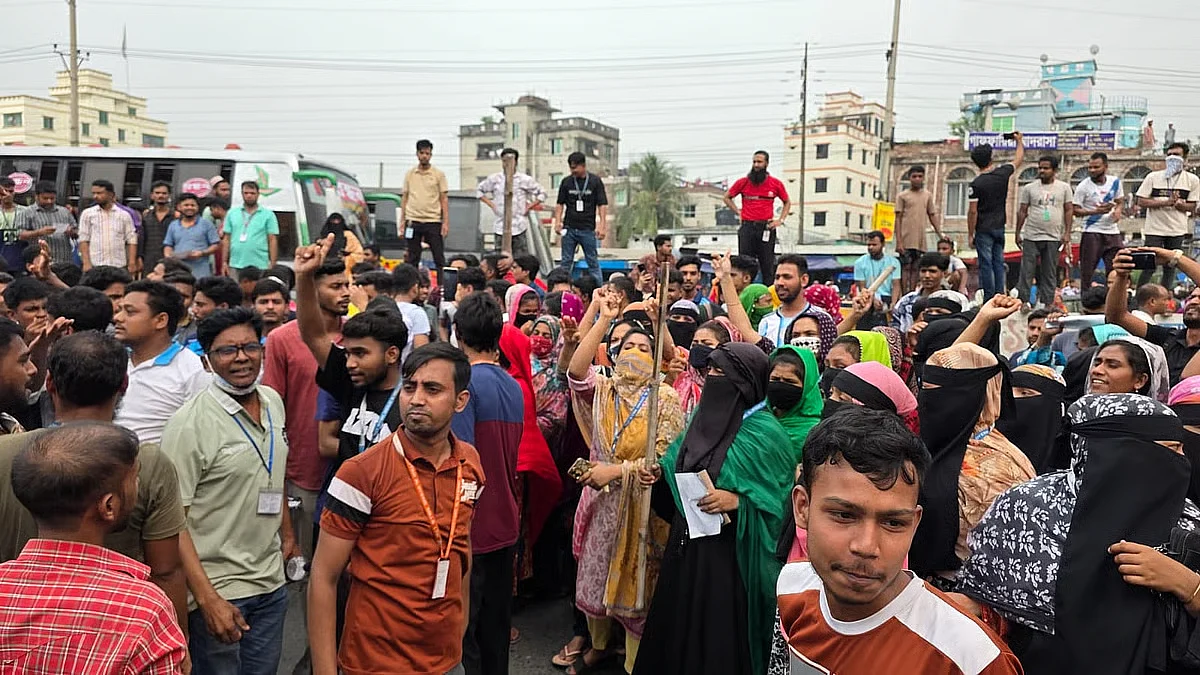
Bangladesh's garment manufacturing sector, which employs over four million workers and generates substantial export revenues, faces ongoing scrutiny regarding worker compensation. The question of fair wages remains contentious, with employers, labor representatives, and international buyers presenting divergent perspectives on what constitutes adequate remuneration in the industry.
Proponents of wage increases argue that current compensation levels fail to meet workers' basic needs, particularly given rising living costs in urban manufacturing centers. Labor advocates contend that many garment workers struggle to afford housing, healthcare, and education despite full-time employment, calling for compensation adjustments tied to cost-of-living indices.
Industry representatives counter that significant wage increases could affect competitiveness in global markets where Bangladesh competes with other low-cost manufacturers. They argue that the sector must balance worker welfare with business viability and job preservation, citing concerns about potential production relocation if labor costs rise substantially.
International brands purchasing from Bangladeshi factories have increasingly committed to responsible sourcing practices, including supplier audits and wage compliance monitoring. These pressure points have intensified discussions between stakeholders about establishing sustainable wage frameworks that protect workers while maintaining the sector's economic viability.
The resolution of this debate carries critical implications for Bangladesh's development trajectory and the livelihoods of millions employed in garment manufacturing.