Culture & Entertainment · World News Bureau
Bangladesh garment sector offers education pathway for underprivileged women
Bangladesh's garment manufacturing industry is increasingly serving as an informal educational platform for women workers, particularly those from disadvantaged backgrounds. Factory-based training programs are equipping workers with skills beyond production, creating pathways for economic advancement.
LSN World News ·
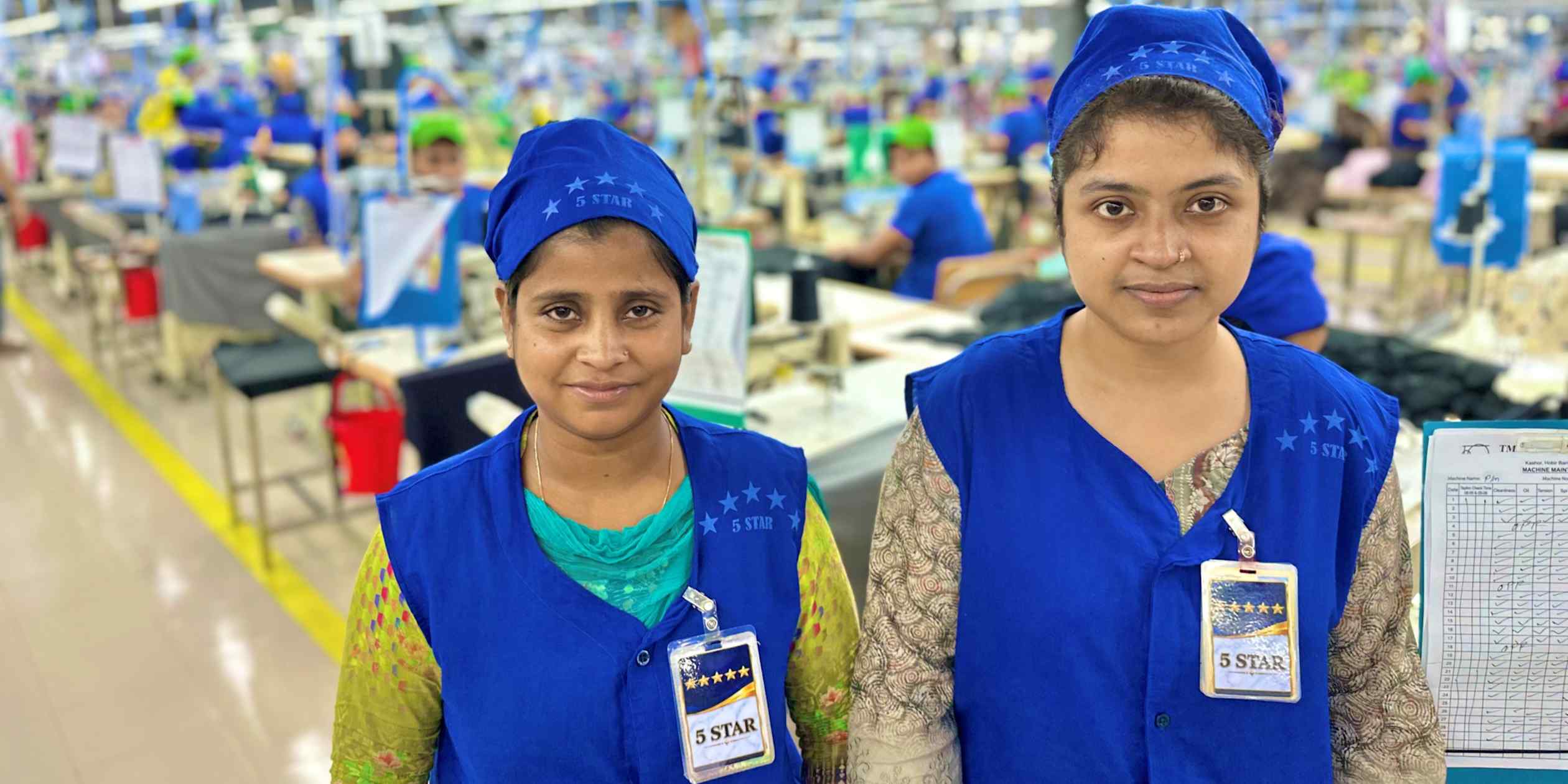
Bangladesh's garment factories, which employ millions and form the backbone of the nation's economy, are expanding their role beyond manufacturing to provide educational opportunities for female workers. Many facilities now operate informal training and skills development programs, transforming workplace environments into spaces where women can access knowledge and vocational training otherwise unavailable to them.
For women from rural areas and low-income households, factory employment often represents their first formal engagement with structured learning outside traditional schooling. These programs typically cover literacy, numeracy, workplace communication, and technical skills relevant to garment production, enabling workers to progress beyond entry-level positions.
Factory-based education initiatives address a significant challenge in Bangladesh, where many women from marginalized communities face barriers to formal education. By combining employment with skills development, the garment sector provides economic security while simultaneously enabling personal and professional growth.
Industry observers note that such programs benefit both workers and employers, creating a more skilled workforce while improving employee retention and productivity. However, experts emphasize the need for standardized curriculum frameworks and regulatory oversight to ensure program quality and consistency across the sector.
As Bangladesh continues developing its garment manufacturing capacity, integrating education into factory operations represents a pragmatic approach to workforce development and social mobility for vulnerable populations.