Business · World News Bureau
Bangladesh garment workers demand wage increases as living costs soar
Tens of thousands of textile workers in the world's second-largest apparel manufacturing hub have staged protests, citing insufficient wages to meet basic living expenses. The industrial action highlights growing pressure on Bangladesh's crucial garment sector to improve worker compensation.
LSN World News ·
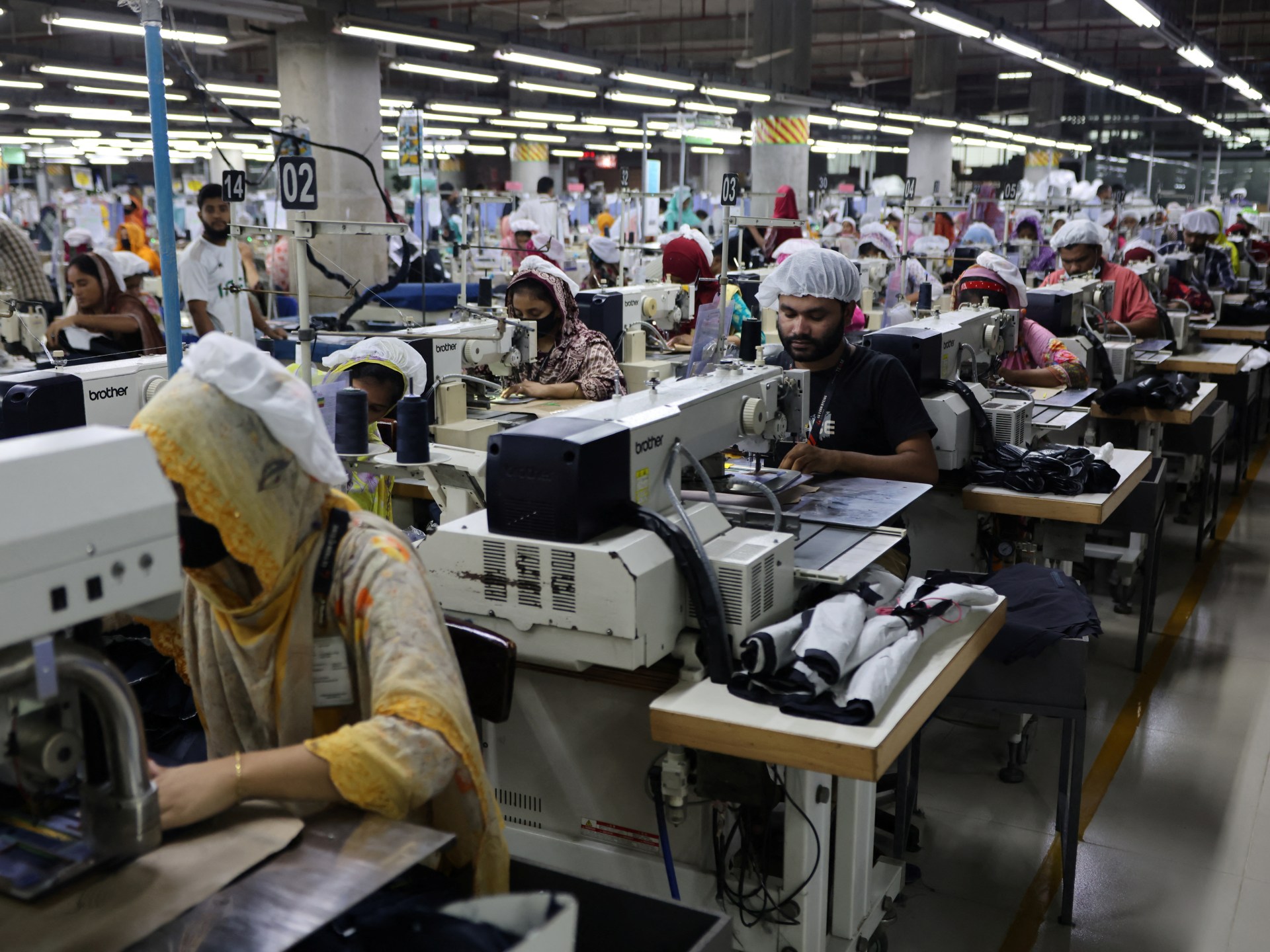
Workers across Bangladesh's garment industry have taken to the streets in recent demonstrations, demanding substantial increases to minimum wages that they say fail to cover fundamental needs including food, housing, and transportation. The protests underscore deepening economic hardship among the hundreds of thousands employed in factories that produce clothing for major international brands.
Bangladesh's textile and apparel sector is a cornerstone of the national economy, accounting for roughly 80 percent of merchandise exports. However, factory workers have long complained that wages have stagnated relative to inflation and rising costs of living in urban manufacturing centers.
The demonstrations represent growing labor unrest in the industry, which faced significant scrutiny following workplace safety disasters in previous years. Workers' representatives have called on the government and manufacturers to establish wage levels that enable employees to afford basic necessities without financial hardship.
Industry observers note that wage pressures in Bangladesh could influence global apparel supply chains and pricing as manufacturers weigh compliance costs against competitive pressures. The government has indicated it is reviewing minimum wage structures, though timeframes for any adjustments remain unclear.