World · Bangladesh Bureau
Bangladesh garment workers sacrifice basics as real wages decline
Despite the country's thriving garment export sector, workers in the industry are increasingly unable to afford food and healthcare, according to recent assessments of the wage-cost gap. The squeeze reflects stagnating nominal wages against rising living expenses in Bangladesh's crucial manufacturing hub.
LSN Bangladesh ·
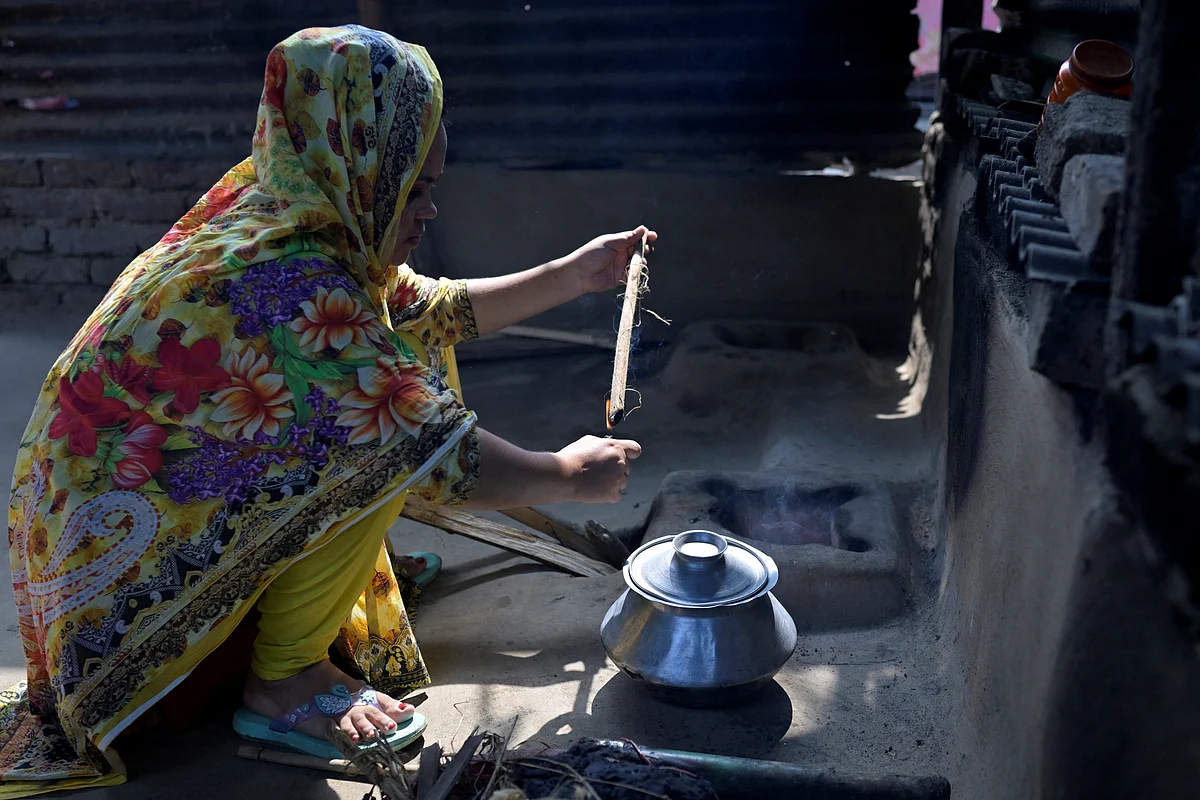
Bangladesh's garment industry, which generates billions in annual export revenue and employs millions, masks a deepening economic crisis for its workforce. Workers across factories report cutting essential expenditures on nutrition and medical care as their wages fail to keep pace with inflation and basic living costs, according to assessments from labor advocates and economists tracking the sector.
The shortfall between wages and actual subsistence needs has widened considerably, forcing workers into difficult choices between purchasing adequate food and accessing healthcare services. Many employees in garment factories report relying on reduced meals and deferring medical treatment to stretch their monthly income, a pattern that has intensified as consumer prices have risen across Bangladesh.
The wage stagnation persists despite Bangladesh's status as a global garment manufacturing powerhouse, with the sector accounting for roughly 80 percent of the country's merchandise exports. Factory owners and industry representatives cite competitive international pressures and thin profit margins, while workers' representatives argue that wages have not adjusted sufficiently to reflect economic realities or worker contributions to the sector's success.
Labor experts warn that deteriorating living standards among garment workers pose risks to productivity, worker retention, and social stability. Several attempts to raise minimum wages have faced resistance from manufacturers concerned about competitiveness, leaving the sector's estimated five million workers navigating an increasingly difficult economic environment.