Business · Singapore Bureau
Bangladesh garment workers struggle as wages fail to keep pace with costs
Workers in Bangladesh's thriving garment industry are cutting back on food and healthcare as stagnant wages fail to meet rising living costs. Labour unions are pushing for minimum monthly wages to more than double to 30,000 taka.
LSN Singapore ·
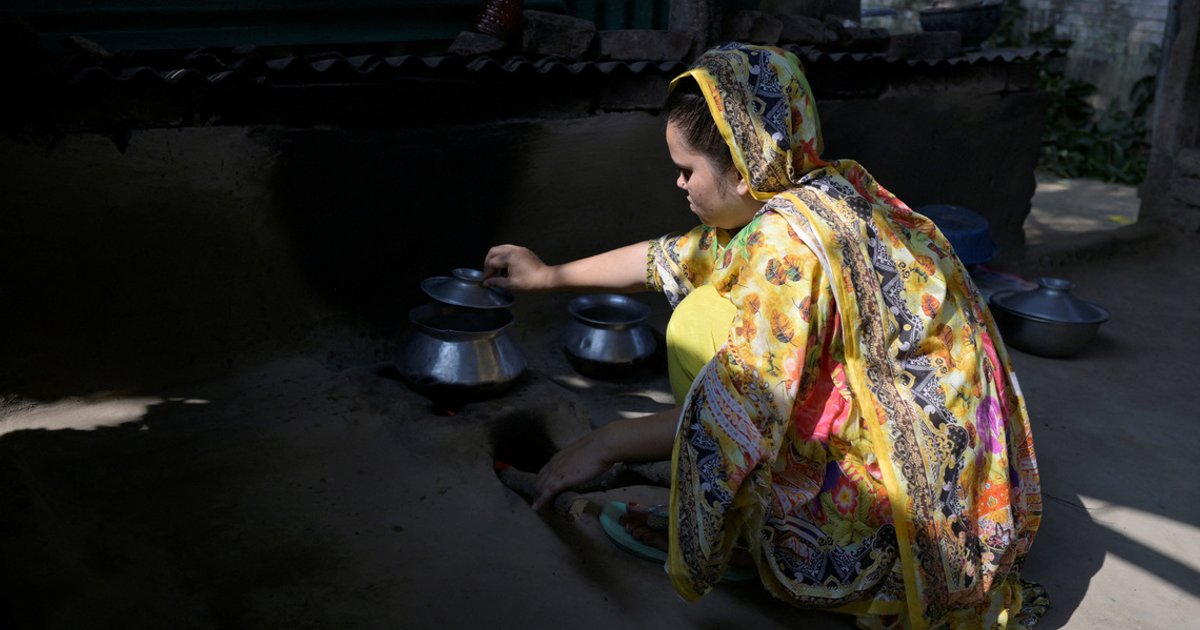
Bangladesh's garment sector, a cornerstone of the nation's economy and a major supplier to global fashion brands, is facing mounting pressure over worker compensation and living standards. Despite the industry's continued expansion, wages have not kept pace with inflation, forcing workers to make difficult choices between basic necessities.
Current minimum monthly wages of 12,500 taka fall significantly short of workers' needs, according to labour advocates. Workers have begun reducing expenditure on essential items, including food and healthcare, to stretch their wages. Labour unions are demanding the minimum be raised to 30,000 taka, more than double the current rate, to address the growing cost-of-living crisis affecting the sector's workforce.
The wage dispute highlights a broader tension within Bangladesh's garment industry, which employs millions and generates substantial export revenues. While the sector has grown in output and global market share, worker protections and compensation have not advanced proportionally. The issue has drawn attention from international labour organisations and foreign buyers concerned about supply chain sustainability and worker welfare.
Government and industry officials have not yet responded to the latest wage demands. The outcome of ongoing negotiations could set a precedent for labour standards across the region's garment manufacturing sector.