Business · India Bureau
Bangladesh garment workers' unrest poses risks to $40 billion industry
Labor protests in Bangladesh's apparel sector are intensifying amid wage disputes, threatening the nation's largest export industry. The standoff between workers and factory owners could have ripple effects across global supply chains.
LSN India ·
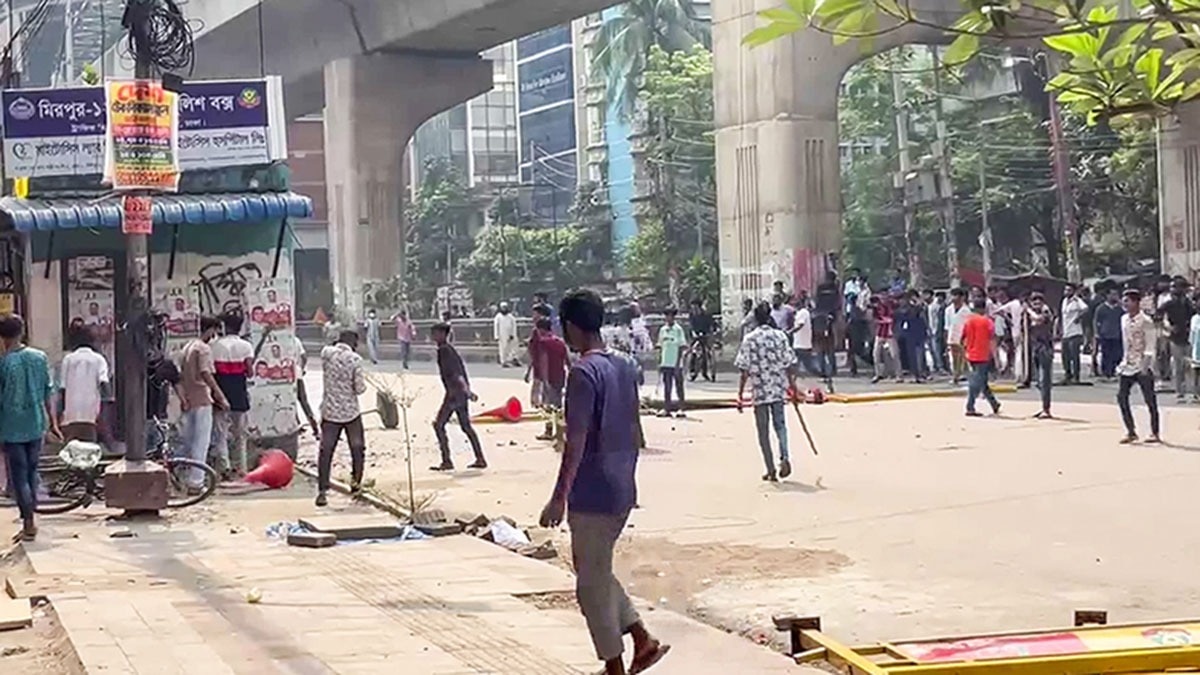
Bangladesh's garment manufacturing sector, which generates approximately $40 billion annually and employs millions of workers, faces mounting pressure from widespread labor demonstrations over wages and working conditions. Workers across multiple factories have staged strikes and protests demanding improved compensation, reflecting long-standing grievances in an industry that has historically operated on razor-thin profit margins.
The current labor unrest arrives at a precarious moment for the sector, which has already faced headwinds from global economic slowdown and shifting consumer preferences. International retailers and brands sourcing from Bangladesh have expressed concern about potential production delays and supply chain disruptions, particularly as orders for peak seasons approach.
Factory owners contend that wage increases would further squeeze margins already compressed by competitive pricing from other low-cost manufacturing hubs in Asia. Workers argue that their compensation has failed to keep pace with inflation and living costs in major urban centers where garment factories are concentrated.
Government officials have initiated dialogue between labor representatives and manufacturers to resolve the impasse. The outcome of negotiations could set precedent for wage standards across Bangladesh's apparel sector and influence the country's competitiveness in the global garment trade.