Business · Bangladesh Bureau
Bangladesh gets extended window for LDC graduation amid structural reform needs
Bangladesh has secured additional time to prepare for its transition from least developed country status, though experts warn significant economic and institutional reforms remain essential to ensure sustainable development post-graduation.
LSN Bangladesh ·
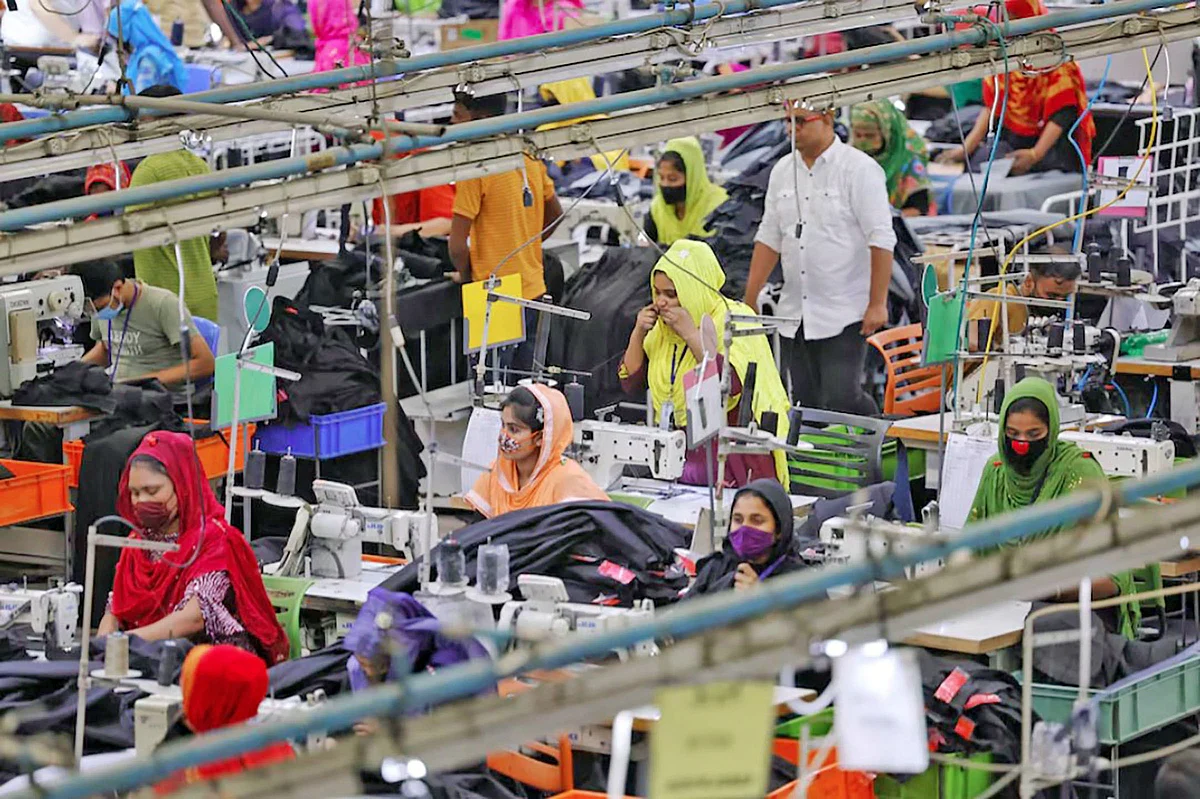
Bangladesh's transition from least developed country (LDC) status has received a reprieve, with an extended preparatory period now available as the nation works to meet graduation criteria. The extension provides policymakers additional time to strengthen economic fundamentals and institutional frameworks ahead of the formal transition, which was originally targeted for 2026.
The extended window reflects international recognition of Bangladesh's substantial progress in recent decades, including robust gross domestic product growth and improvements in human development indicators. However, the extension also underscores the considerable work remaining to ensure the country can sustain development gains and navigate economic challenges independently once LDC support mechanisms expire.
Key structural reforms continue to demand attention across multiple sectors. These include enhancing manufacturing competitiveness beyond the garment industry, improving the business and investment climate, strengthening governance systems, and building resilience to climate-related shocks. Economists emphasize that LDC graduation must be accompanied by concrete policy reforms to maintain investor confidence and economic momentum.
The extended transition period offers Bangladesh a critical opportunity to address infrastructure gaps, expand digital connectivity, and deepen fiscal reforms. Officials stress that effective use of this window is crucial to positioning the nation for sustained middle-income growth and to mitigate potential economic disruptions that could arise from the loss of preferential trade terms and development assistance upon graduation.