World · India Bureau
Bangladesh government blames ousted PM Hasina for garment worker unrest
Violent protests over wage demands have crippled around 1,000 garment factories in Bangladesh on the fourth consecutive day of demonstrations. The interim government has accused former Prime Minister Sheikh Hasina and Awami League supporters of inciting the labor unrest.
LSN India ·
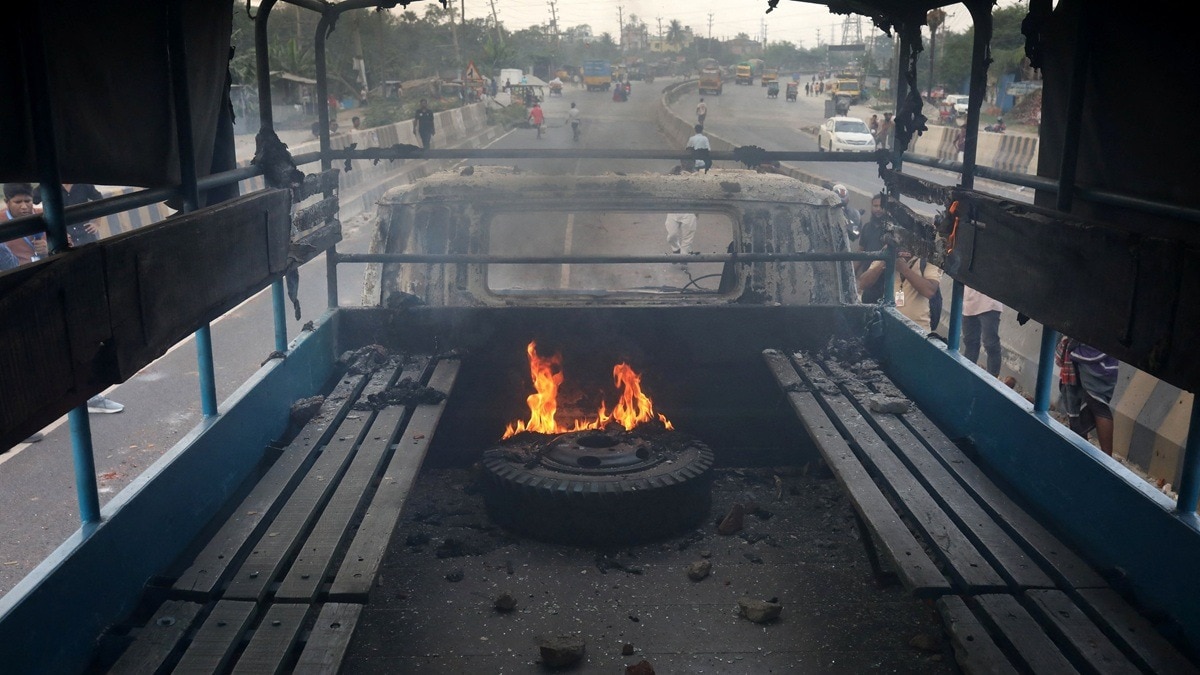
Garment factory workers across Bangladesh continued their fourth day of violent demonstrations demanding wage increases, with production halted at approximately 1,000 facilities nationwide. The escalating industrial action has disrupted the country's crucial textile export sector amid growing tensions in the post-transition period.
The Bangladesh interim government has attributed the prolonged unrest to political interference, specifically accusing ousted Prime Minister Sheikh Hasina and supporters of her Awami League party of orchestrating and inciting the labor protests. A government spokesperson stated that stability would remain elusive while Hasina remained at large, suggesting political elements were exploiting legitimate worker grievances for destabilization purposes.
Authorities have responded to the deteriorating situation by deploying additional contingents of the Border Guard Bangladesh (BGB) to maintain order and prevent further escalation. The enhanced security presence reflects concerns among government officials about the intersection of labor demands and political opposition activities.
The strikes represent a significant challenge for Bangladesh's garment manufacturing industry, which employs millions and generates substantial foreign exchange earnings. Industry observers note that sustained production losses across such a large number of factories could impact export deadlines and international buyer confidence in the sector's operational stability.