World · Bangladesh Bureau
Bangladesh grapples with political system worn thin by time
Bangladesh faces deepening challenges as its political framework struggles to address contemporary governance demands. Observers point to institutional fatigue as a core obstacle to national progress.
LSN Bangladesh ·
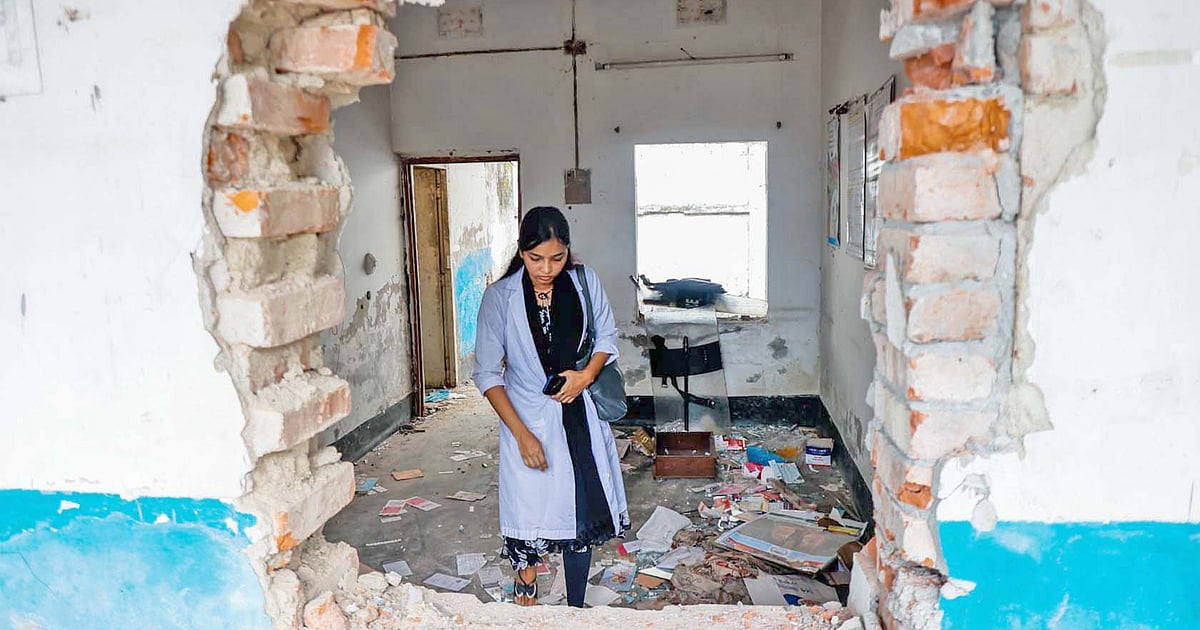
Bangladesh's political landscape shows signs of exhaustion, with established institutional mechanisms increasingly failing to deliver effective governance or public satisfaction. The nation's political structures, developed across previous decades, appear ill-equipped to tackle the evolving complexities of modern administration and societal expectations.
The challenges manifest across multiple sectors, from legislative responsiveness to administrative efficiency. Citizens and analysts alike have raised concerns that existing political arrangements lack the flexibility required to address contemporary issues including economic management, service delivery, and democratic participation.
These systemic strains have prompted discussions among policymakers and civic leaders about potential reforms. The consensus among observers suggests that incremental adjustments to current frameworks may prove insufficient without more substantial institutional renewal.
The political impasse compounds other national priorities, creating a cascade effect that hampers progress on economic development, infrastructure projects, and social services. Stakeholders across the spectrum recognize that sustaining Bangladesh's development trajectory will require decisive action to modernize political processes and institutional capacity.
As the nation navigates this transition, the pressure mounts for political leadership to implement meaningful structural changes that align governance mechanisms with contemporary realities and citizen expectations.