World · India Bureau
Bangladesh grapples with traumatic past as nation charts political course
Bangladesh continues to wrestle with the deep historical wounds of its violent creation and subsequent upheavals, casting a long shadow over its contemporary political trajectory. The nation's struggle to reconcile its blood-soaked past remains central to understanding its present challenges and uncertain future.
LSN India ·
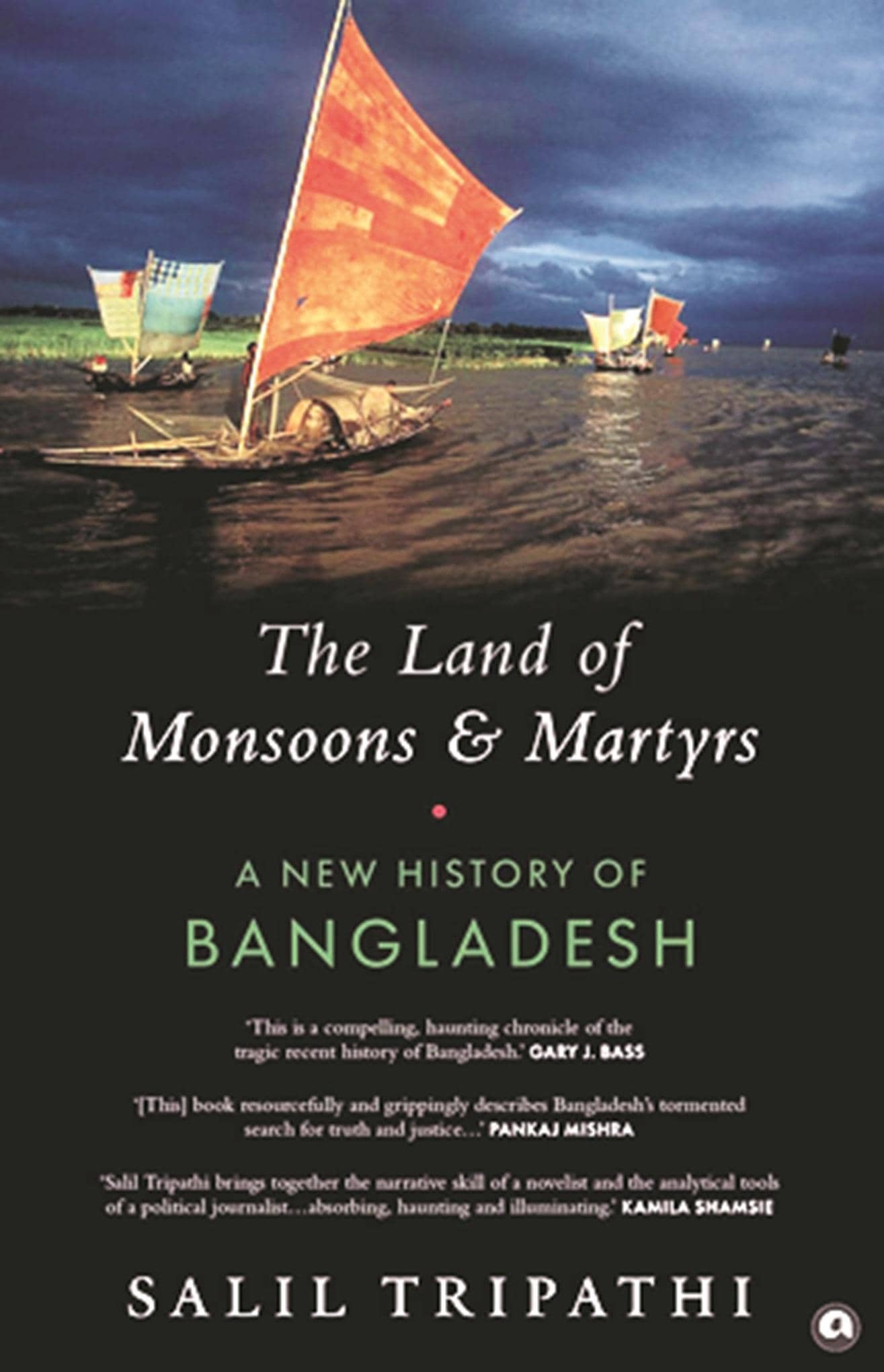
Bangladesh's journey since independence has been marked by profound trauma and recurring cycles of political instability that fundamentally shape the country's contemporary landscape. The nation emerged from a brutally violent war of independence in 1971, an experience that left deep scars across Bangladeshi society and created foundational tensions that persist decades later.
The country's political history has been characterized by competing ideologies, military interventions, and cycles of authoritarian rule interrupted by democratic transitions. These patterns reflect ongoing disputes about national identity, the role of religion in governance, and fundamental questions about what Bangladesh should become as a modern nation-state.
Bangladesh has struggled to achieve meaningful closure on the atrocities committed during its war of independence and subsequent political violence. Questions about accountability, justice, and historical reckoning remain contested, with different political factions offering competing narratives about the nation's founding and early years.
Today, Bangladesh stands at a critical juncture, attempting to build institutional frameworks and democratic processes that can transcend its fractious past. Yet the unresolved historical grievances and political divisions continue to complicate efforts to forge national consensus on fundamental governance questions and future direction.