World · World News Bureau
Bangladesh-India ties strained as cultural gestures lose diplomatic currency
Symbolic exchanges have temporarily eased tensions between Bangladesh and India, but fundamental disagreements now require substantive negotiations to prevent further deterioration of relations.
LSN World News ·
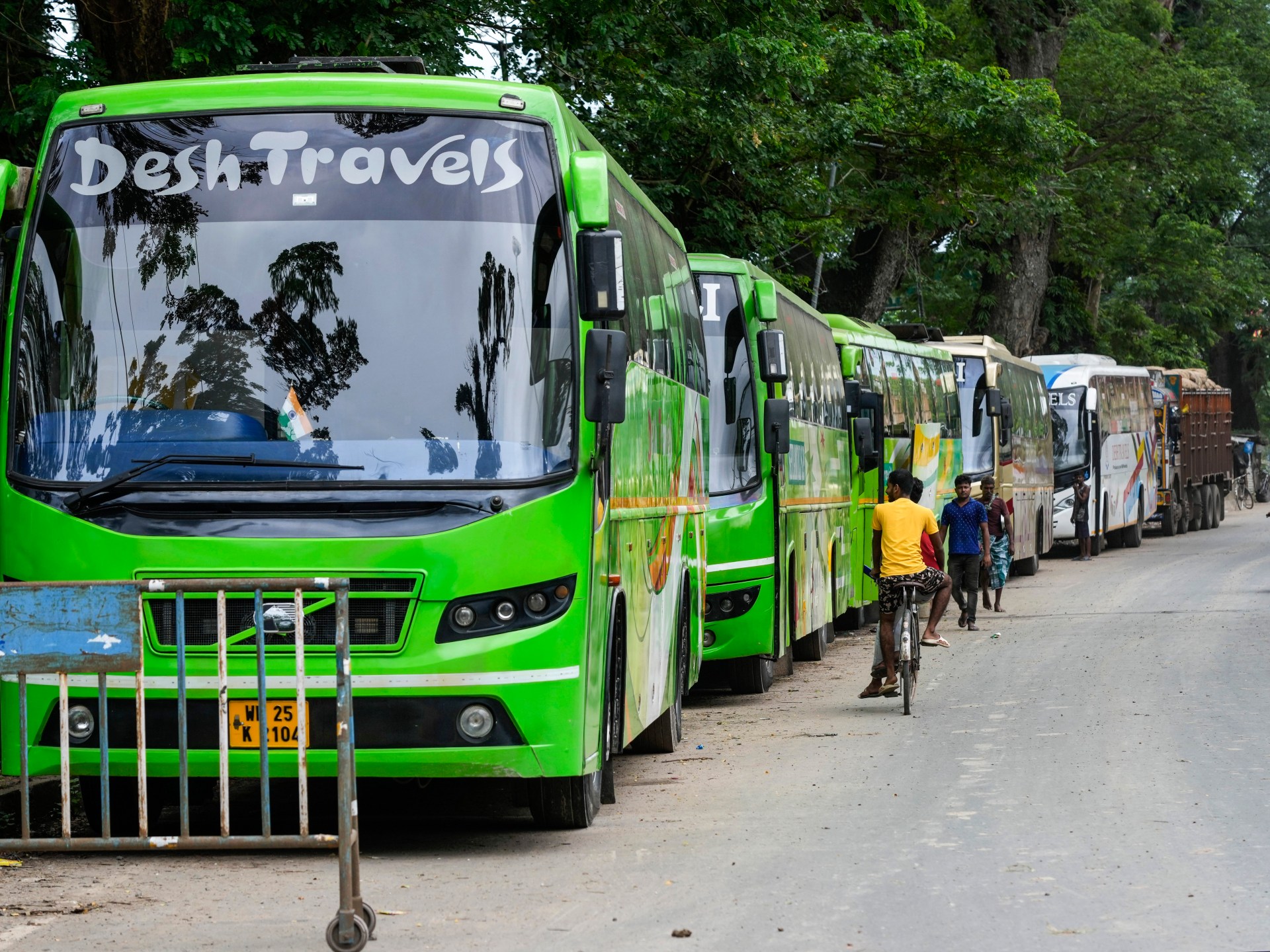
Cultural and agricultural exchanges have long served as a buffer in Bangladesh-India relations, with gestures such as mango exports symbolizing goodwill between the neighboring nations. However, analysts say these traditional diplomatic tools are increasingly insufficient to address mounting tensions and structural differences that threaten to undermine bilateral ties.
The relationship has been tested by disputes over water-sharing agreements, border security concerns, and divergent foreign policy priorities. While ceremonial exchanges and people-to-people contacts have historically helped prevent outright conflict, officials on both sides acknowledge that superficial gestures can no longer mask deeper disagreements requiring political will and concrete compromises.
Bangladesh and India now face pressure to move beyond symbolic diplomacy and engage in substantive dialogue on contentious issues. Both nations have significant stakes in regional stability, given their shared border, overlapping maritime zones, and interconnected trade networks.
Experts emphasize that strengthening bilateral relations will demand difficult negotiations on resource-sharing, security arrangements, and economic cooperation. Without addressing underlying grievances through formal mechanisms and binding agreements, observers warn that the relationship risks further strain regardless of cultural overtures or seasonal trade initiatives.
The two countries appear at a crossroads where routine diplomatic protocols must evolve into more sophisticated engagement if they are to build durable, mutually beneficial ties.