World · Singapore Bureau
Bangladesh measles crisis signals global health risks amid vaccine hesitancy
Bangladesh is grappling with a significant measles outbreak that public health experts say offers a cautionary lesson for nations worldwide. The situation underscores growing concerns about declining vaccination rates, particularly in developed countries where vaccine confidence has eroded.
LSN Singapore ·
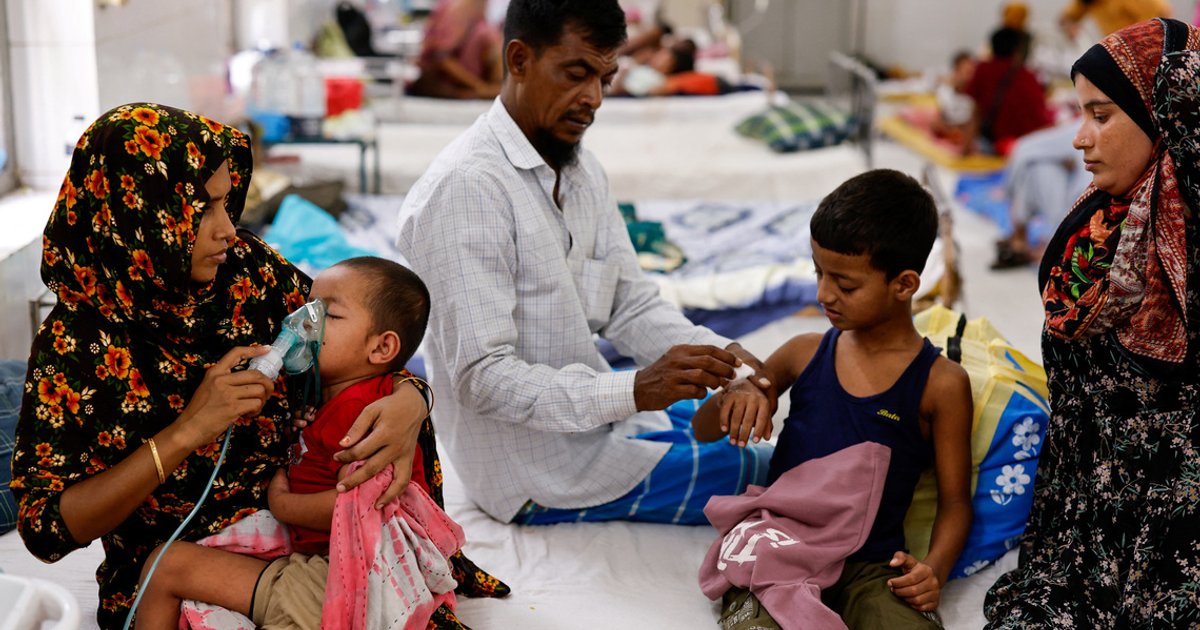
Bangladesh faces mounting pressure to contain a measles outbreak that has alarmed regional and international health authorities. The disease resurgence in the South Asian nation reflects broader epidemiological trends, with experts warning that complacency over immunisation could trigger similar crises elsewhere.
Measles, a highly contagious viral infection, remains preventable through vaccination. However, declining immunisation coverage in multiple countries has created pockets of vulnerability to the disease. Bangladesh's outbreak demonstrates how quickly measles can spread when population immunity falls below critical thresholds.
Public health officials have identified vaccine hesitancy as a key contributing factor to the current crisis. The phenomenon is particularly pronounced in wealthier nations, where misinformation and vaccine scepticism have gained traction despite scientific consensus on immunisation safety and efficacy. This hesitancy in affluent countries risks undermining decades of progress in global disease control.
Experts emphasise that Bangladesh's experience carries implications beyond its borders. The outbreak illustrates how interconnected disease transmission has become in an increasingly mobile world. Regional authorities are urging neighbouring countries and the international community to strengthen vaccination programmes and counter false narratives about immunisation.
Health organisations are intensifying efforts to boost measles vaccination coverage in Bangladesh while calling for renewed commitment to immunisation campaigns globally. The situation underscores the persistent threat posed by vaccine-preventable diseases and the critical importance of maintaining high population immunity levels.