World · Malaysia Bureau
Bangladesh measles outbreak signals wider immunisation system collapse
An independent expert panel has raised alarm over Bangladesh's deteriorating vaccination infrastructure, warning that a measles crisis gripping the nation points to systemic weaknesses that could trigger additional disease outbreaks. The findings highlight critical gaps in the country's immunisation programme that pose risks beyond measles.
LSN Malaysia ·
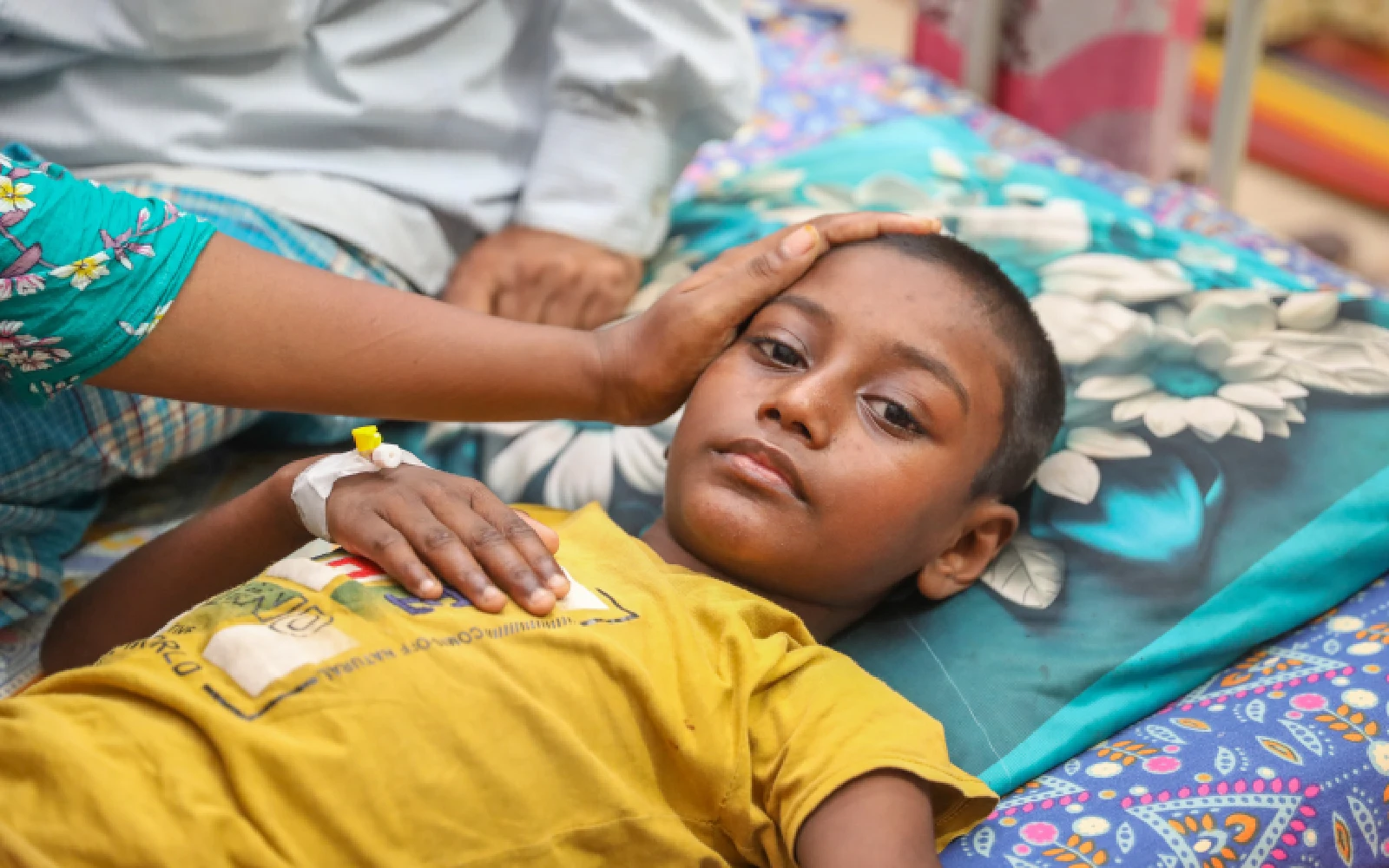
A committee comprising national and international health experts has concluded that Bangladesh's recent measles outbreak represents a canary in the coal mine for the nation's public health system. The report underscores troubling deficiencies in vaccination coverage and delivery mechanisms that have left populations vulnerable to preventable diseases.
The expert panel's assessment suggests the measles crisis is symptomatic of deeper structural problems within Bangladesh's immunisation infrastructure. Weakened disease surveillance, inconsistent vaccine distribution, and gaps in coverage have created conditions where measles has gained traction—and where other communicable diseases may similarly flourish.
Measles, a highly contagious viral infection, typically spreads rapidly in populations with sub-optimal vaccination rates. The pathogen serves as a sensitive indicator of immunisation programme performance, making the current outbreak a critical warning that vaccination systems require urgent reinforcement.
Experts emphasize that addressing the immediate measles crisis must accompany broader reforms to Bangladesh's public health apparatus. Strengthening vaccination coverage, improving cold chain logistics, and enhancing disease tracking capabilities are essential to preventing future outbreaks of measles and other vaccine-preventable illnesses throughout the region.