World · Bangladesh Bureau
Bangladesh must create formal framework for youth in reform efforts
Experts and policymakers in Bangladesh are calling for institutionalised mechanisms to ensure young people have a meaningful voice in the country's ongoing reform process. The push reflects growing recognition that sustainable change requires systematic youth engagement beyond ad-hoc participation.
LSN Bangladesh ·
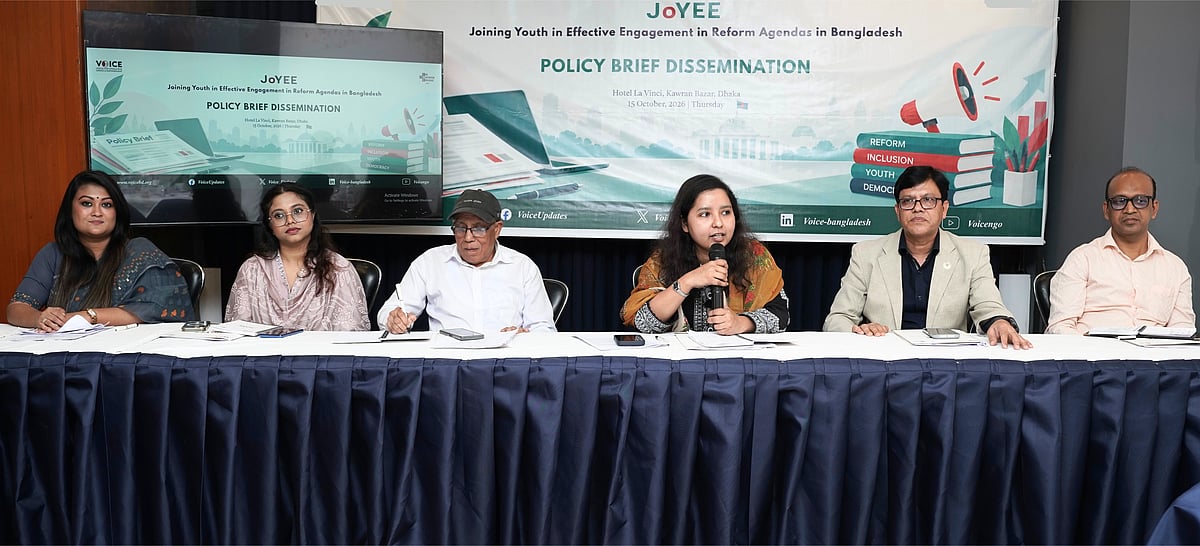
Stakeholders across Bangladesh are emphasising the need to establish permanent structures that guarantee youth involvement in reform initiatives, moving beyond temporary arrangements that have characterised previous engagement efforts. The focus on institutionalisation reflects lessons learned from reform processes that succeeded or faltered based on the depth of participation from younger generations who will inherit the outcomes of policy decisions made today.
Proponents argue that formalising youth participation through dedicated institutions, regular consultation mechanisms, and guaranteed representation in decision-making bodies would strengthen the legitimacy and effectiveness of reforms. Such frameworks would ensure that the perspectives of Bangladesh's substantial youth population inform policy design and implementation across government and civil society initiatives.
Currently, youth engagement in reform processes often occurs sporadically through specific committees or campaign-driven activities rather than through permanent institutional channels. Experts contend that this fragmented approach limits the depth of youth involvement and fails to retain institutional memory or continuity across successive reform phases.
The call for institutionalised youth participation aligns with broader international trends recognising that durable governance reforms depend on intergenerational dialogue and the systematic incorporation of younger voices in nation-building efforts. Bangladesh's reformers are increasingly viewing structured youth engagement not as a supplementary concern but as essential infrastructure for creating sustainable democratic and developmental progress.