World · Bangladesh Bureau
Bangladesh must move beyond climate pledges to concrete emissions cuts
Experts warn that Bangladesh faces mounting pressure to translate climate commitments into measurable action, as the nation grapples with its role as both a major emitter and vulnerable developing economy.
LSN Bangladesh ·
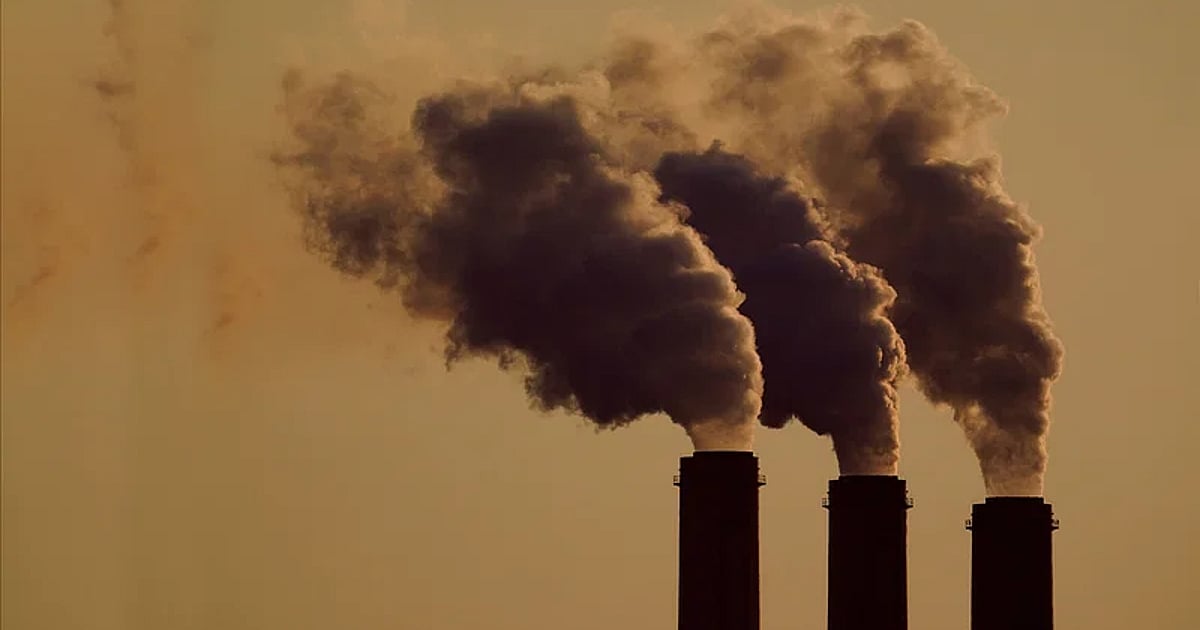
Bangladesh stands at a critical juncture in its climate strategy, with observers increasingly scrutinizing whether the country will convert international pledges into substantive emission reduction programmes. As one of South Asia's fastest-growing economies, Bangladesh has committed to significant carbon cuts under global climate frameworks, yet implementation remains inconsistent across sectors.
The challenge is particularly acute given Bangladesh's dual vulnerability: the nation ranks among countries most susceptible to climate impacts while simultaneously facing pressure to maintain economic growth and lift millions from poverty. Industrial expansion, rapid urbanization, and energy sector development have accelerated greenhouse gas emissions in recent years, complicating efforts to meet internationally agreed targets.
Policy experts emphasize that rhetorical commitments must be backed by enforceable timelines, regulatory mechanisms, and adequate financing. Key sectors including power generation, transportation, and manufacturing require urgent intervention through modernized standards and technology adoption. Without concrete measures and transparent monitoring frameworks, Bangladesh risks failing its climate obligations while remaining exposed to catastrophic environmental consequences.
International climate finance remains central to Bangladesh's capacity to implement emission reduction programmes. Stakeholders are calling for stronger domestic policy frameworks alongside increased international support, ensuring that Bangladesh can pursue sustainable development pathways without compromising its climate responsibilities.