World · Bangladesh Bureau
Bangladesh must position itself amid shifting BRICS-led global order
As BRICS nations reshape international power dynamics, Bangladesh faces strategic decisions on how to engage with emerging economic blocs while maintaining its own development priorities. Analysts say Dhaka should carefully calibrate its foreign policy to capitalize on new opportunities.
LSN Bangladesh ·
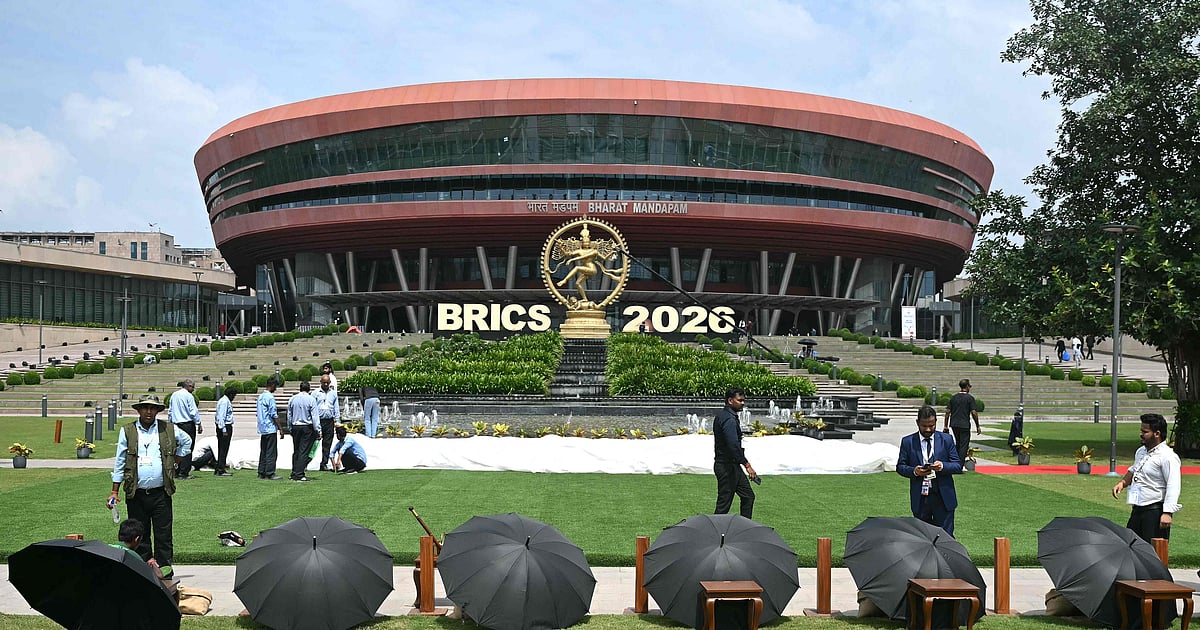
The growing influence of BRICS—comprising Brazil, Russia, India, China, and South Africa—is fundamentally altering global geopolitical and economic landscapes, with implications for smaller nations like Bangladesh seeking to navigate an increasingly multipolar world. The bloc's expansion and initiatives to challenge Western-dominated institutions are creating new pathways for trade, investment, and diplomatic engagement that developing countries must carefully assess.
Bangladesh's geographic proximity to two BRICS members—China and India—positions it at the intersection of these shifting power dynamics. As China and India expand their regional influence through infrastructure projects, trade agreements, and strategic partnerships, Bangladesh must develop coherent policies that allow it to benefit from competition between major powers without becoming overly dependent on any single actor. The country's balance-of-power approach has historically served it well, but requires recalibration as the international order evolves.
Experts suggest Bangladesh should explore selective engagement with BRICS-related initiatives, particularly in areas such as development finance, technology transfer, and regional connectivity projects. However, this must be balanced against maintaining strong ties with traditional partners and ensuring that any new alignments serve Bangladesh's industrialization agenda and poverty-reduction goals. The country should also strengthen its voice in multilateral forums and regional organizations to influence outcomes that affect its interests.
As global institutions and trade frameworks continue to evolve, Bangladesh's policymakers must adopt a sophisticated, pragmatic approach—leveraging opportunities presented by a multipolar world while protecting its strategic autonomy and developmental sovereignty. The nation's success in this new environment will depend on its ability to diversify partnerships, strengthen institutional capacity, and maintain consistent policy direction across political transitions.