World · Malaysia Bureau
Bangladesh nuclear plant stirs hopes and concerns over energy future
Bangladesh's Rooppur nuclear facility is poised to generate 2.4 gigawatts of electricity, potentially supplying over 10% of the nation's power needs. The project represents a significant energy milestone for the South Asian country, though it has also sparked debate over safety and infrastructure readiness.
LSN Malaysia ·
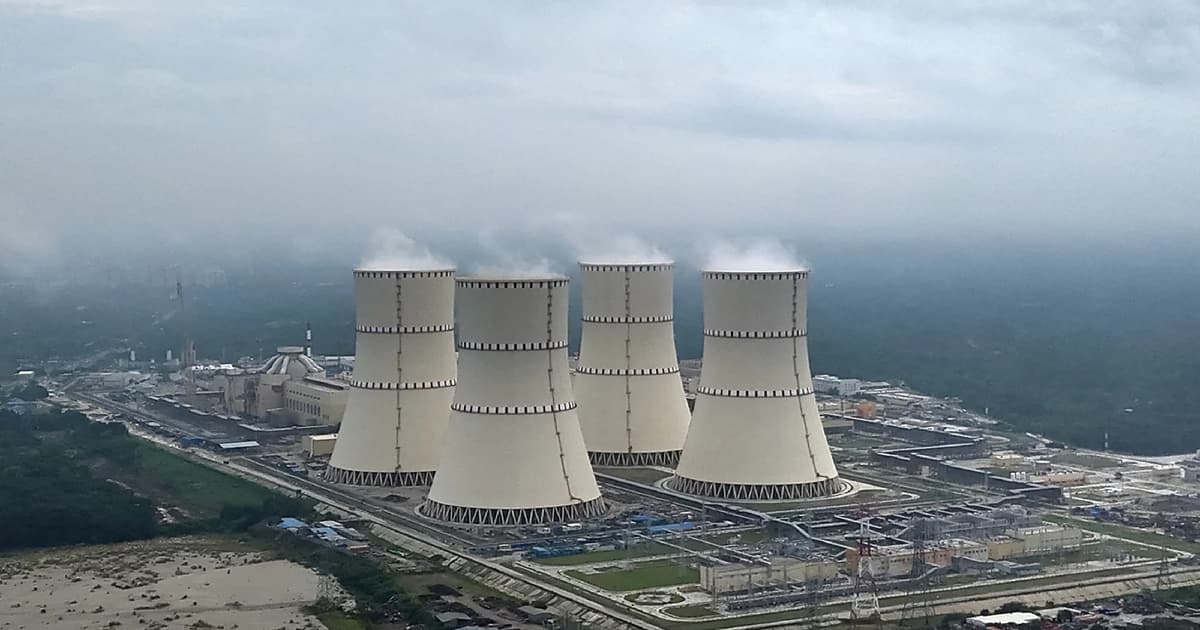
Bangladesh is moving closer to operating its first nuclear power plant, a development that could substantially reshape the energy landscape for the nation of 170 million people. The Rooppur facility, with a capacity of 2.4 gigawatts, is designed to meet more than 10% of the country's electricity demand once operational, addressing chronic power shortages that have hindered economic development.
The plant represents an ambitious step in Bangladesh's efforts to diversify its energy portfolio beyond natural gas and coal-fired generation. As the nation grapples with rising electricity consumption driven by industrialisation and urbanisation, nuclear power is seen by policymakers as a viable solution to meet growing demand while reducing reliance on fossil fuels.
However, the project has drawn scrutiny from various quarters. Concerns centre on Bangladesh's regulatory framework, technical expertise, and the country's ability to manage nuclear waste safely. Critics have questioned whether existing infrastructure and institutional capacity are sufficient to oversee operations at a facility of this scale and complexity.
Proponents counter that the plant has been designed with modern safety standards and that Bangladesh has established a nuclear regulatory authority to oversee the project. The development also reflects broader regional trends, with several South and Southeast Asian nations pursuing nuclear energy to meet their expanding power requirements.
The successful commissioning of Rooppur could influence energy policy across South Asia and demonstrate the viability of nuclear power in the region, though its path to full operation remains subject to both technical and political developments.