Politics · Bangladesh Bureau
Bangladesh Presidential Office: A Chronicle of Leadership and Transitions
Bangladesh has seen numerous heads of state since independence, each serving varying tenures under different constitutional frameworks. Understanding the trajectory of the presidency provides insight into the nation's political evolution.
LSN Bangladesh ·
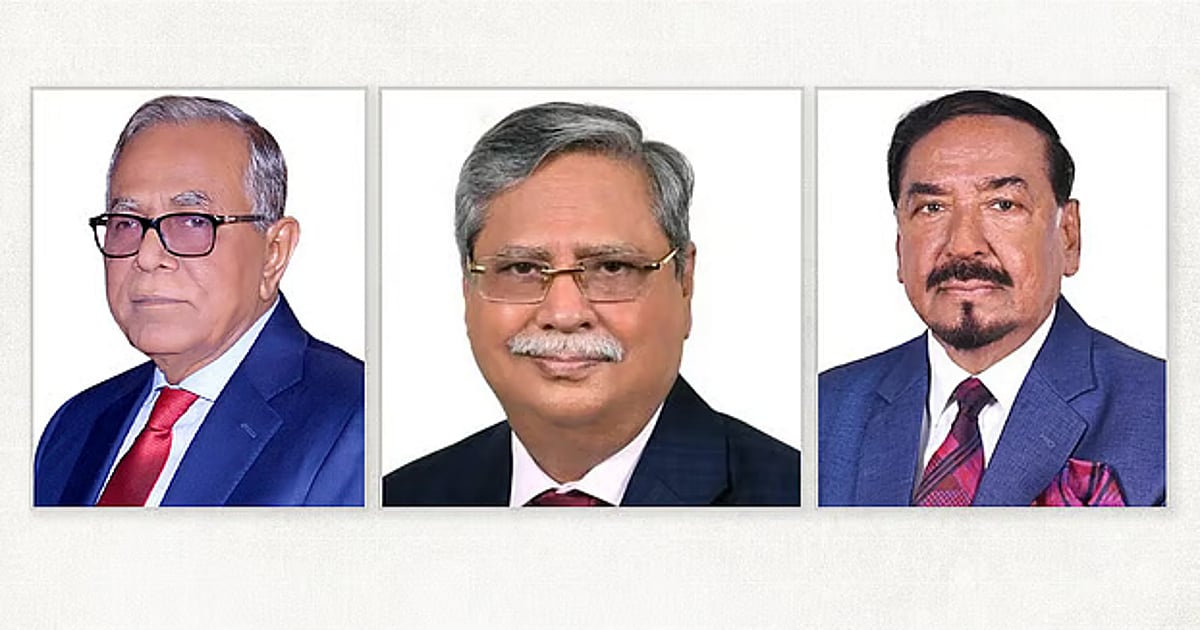
Bangladesh has experienced significant changes in its presidential office since gaining independence in 1971. The role and powers of the president have evolved considerably, reflecting constitutional amendments and shifts in the country's political system.
During the early years of independence, the presidential system gave way to a parliamentary framework, fundamentally altering the executive structure. The country has alternated between these systems, with the 1991 constitutional amendment restoring parliamentary democracy and reducing presidential powers to largely ceremonial functions.
Over the decades, Bangladesh has had multiple presidents serving tenures ranging from brief periods to more extended terms. Some former presidents have remained active in public life, while others have retired from the political spotlight. The transitions between administrations have often reflected broader constitutional and electoral developments within the nation.
The presidential succession in Bangladesh has been shaped by democratic processes, military interventions, and constitutional reforms. Each transition has carried implications for governance structures and the distribution of executive authority within the state.
Today, the office of the president in Bangladesh functions within a parliamentary democratic framework, with the prime minister holding primary executive authority. Understanding this institutional structure is essential for comprehending contemporary Bangladeshi governance and political dynamics.