World · Bangladesh Bureau
Bangladesh's large corporations pivot toward solar energy capacity
Major industrial enterprises in Bangladesh are increasingly investing in solar power generation to meet their electricity needs independently. The shift could potentially add around 600 megawatts of solar capacity to the nation's energy portfolio.
LSN Bangladesh ·
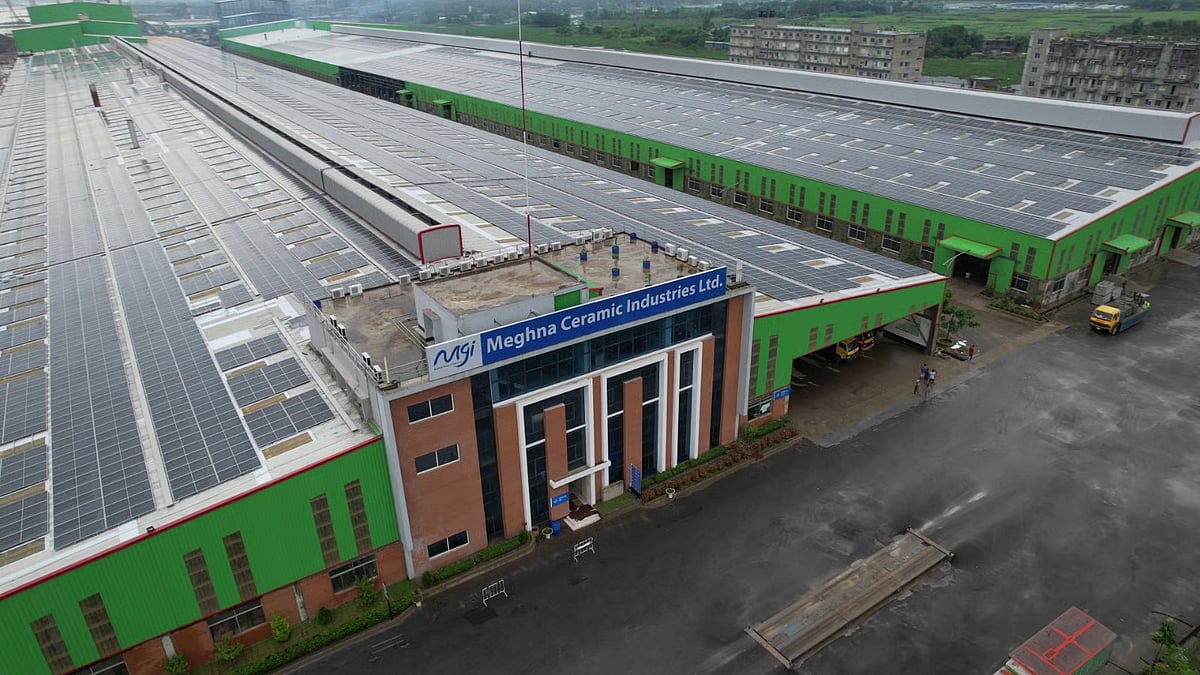
Large-scale businesses across Bangladesh are moving toward renewable energy solutions, with solar power emerging as a preferred option to reduce their dependence on the national grid. The trend reflects growing awareness of energy security concerns and rising electricity costs that have prompted corporations to explore alternative power generation methods.
Industrial players are installing solar panels on factory rooftops and dedicated sites to generate electricity for their operations. This decentralized approach to power generation allows businesses to offset their grid consumption while potentially lowering operational expenses over the long term.
The collective solar capacity that major enterprises could develop is estimated to reach approximately 600 megawatts, a significant contribution to Bangladesh's renewable energy infrastructure. This figure underscores the substantial role that private sector investment could play in diversifying the nation's energy sources.
The shift toward corporate solar adoption comes as Bangladesh continues to grapple with growing electricity demand amid infrastructure constraints. By enabling large businesses to generate their own power, the country could reduce pressure on the national grid while advancing its renewable energy goals.
Industry observers note that favorable policies, declining solar equipment costs, and improved technological reliability have made solar investments increasingly attractive for Bangladesh's corporate sector. As more businesses embrace renewable power, the cumulative impact could strengthen the nation's overall energy resilience.