Business · Bangladesh Bureau
Bangladesh's Live Fish Markets Adapt to Modern Consumer Demands
Fish traders across Bangladesh are modernizing traditional live fish markets to meet changing consumer preferences and regulatory requirements. The sector continues to play a vital role in the nation's food security and livelihoods.
LSN Bangladesh ·
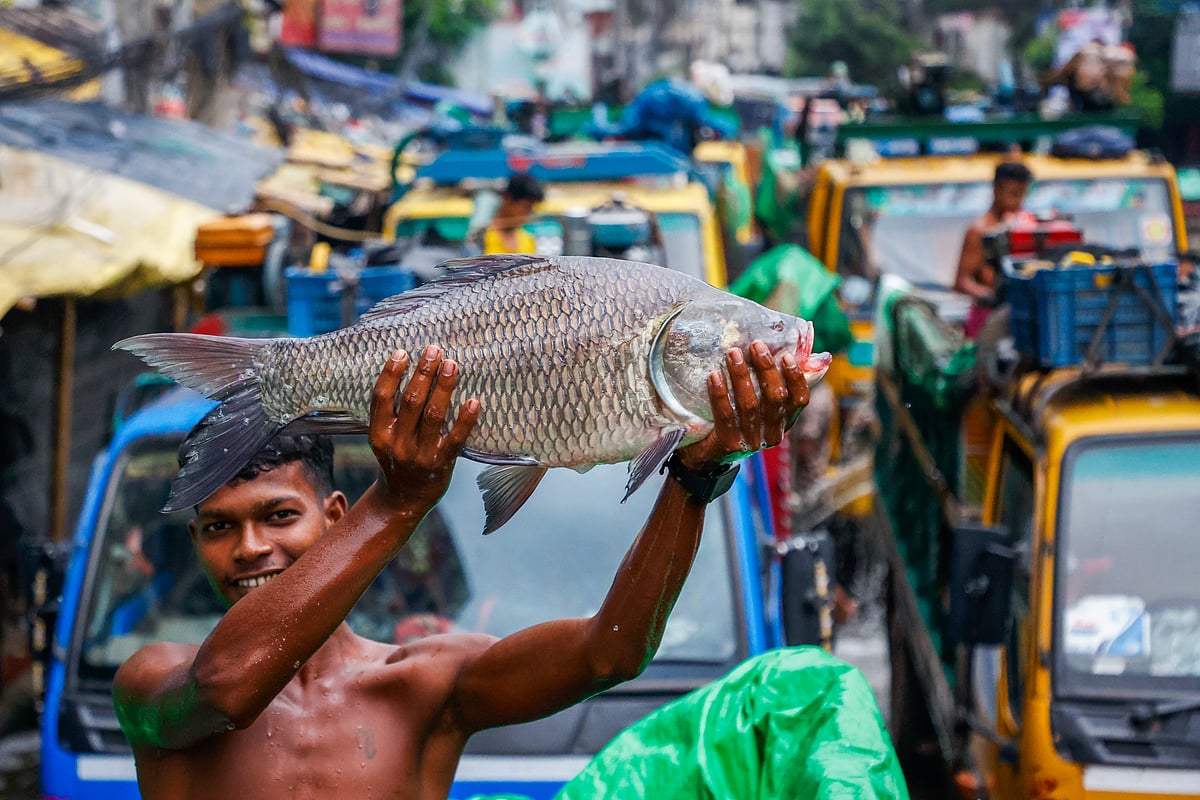
Live fish markets remain a cornerstone of Bangladesh's food distribution system, with vendors selling fresh aquatic products directly to consumers across urban and rural areas. These markets operate with minimal intermediaries, allowing customers to select and purchase fish that are kept alive until the point of sale, a practice valued for ensuring freshness and quality.
The sector supports hundreds of thousands of traders, transporters, and support workers throughout Bangladesh. Traditional markets operate in established commercial areas, while mobile vendors also serve residential neighborhoods, making fresh fish accessible to consumers across different income levels. The markets handle both wild-caught fish from rivers and coastal areas, as well as farmed varieties from aquaculture operations.
Recent years have witnessed gradual shifts in how these markets function, with traders adopting improved storage facilities and aeration systems to maintain fish quality. Some vendors have begun implementing better hygiene practices and record-keeping, responding to both consumer awareness and government oversight initiatives. Digital platforms have also emerged, with some traders offering online ordering services that complement traditional market sales.
Experts note that live fish markets continue to compete with modern retail alternatives, including supermarkets and e-commerce platforms. However, the cultural preference for selecting live fish and the personal relationships between regular customers and vendors sustain these traditional markets as an essential component of Bangladesh's food retail landscape.