Business · Bangladesh Bureau
Bangladesh's modest share in Japan's two-trillion-dollar trade landscape
As Japan maintains one of the world's largest trading volumes, Bangladesh represents a small but growing portion of Tokyo's regional commerce. The South Asian nation seeks to expand its economic ties with Japan amid broader shifts in Asia-Pacific trade dynamics.
LSN Bangladesh ·
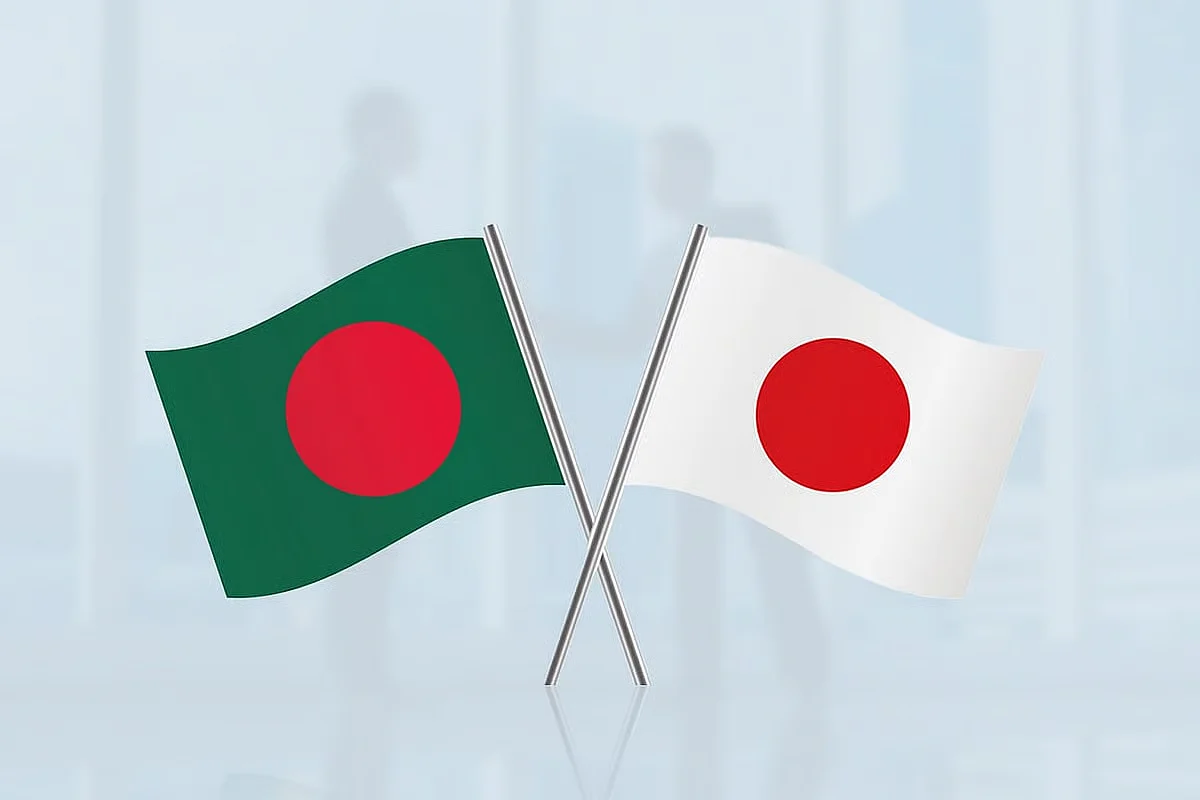
Japan's annual trade volume exceeds $2 trillion, positioning it among the globe's leading trading nations. Within this substantial economic footprint, Bangladesh occupies a relatively limited though gradually expanding role as both a market and manufacturing partner.
Trade between Japan and Bangladesh has historically centered on Japanese imports of ready-made garments and textiles, sectors that dominate Bangladesh's export profile. Meanwhile, Bangladesh imports Japanese machinery, electronics, and automotive components, reflecting Japan's position as a technology and manufacturing hub.
Recent years have witnessed efforts by both nations to deepen commercial engagement. Japanese investors have shown increasing interest in Bangladesh's manufacturing potential and developing consumer market, with particular focus on sectors including pharmaceuticals, electrical equipment, and light engineering.
Despite these developments, Bangladesh accounts for a fraction of Japan's total bilateral trade compared to larger Asian economies. The relationship remains characterized by Bangladesh's reliance on traditional labor-intensive exports while gradually diversifying into higher-value manufacturing segments with Japanese technical partnerships and investment.
Both governments have emphasized the need to enhance trade facilitation and infrastructure connectivity to unlock greater commercial potential, though Bangladesh's share of Japan's vast international trade network is expected to remain modest relative to Beijing, Seoul, and other major Asian trading partners.