Politics · Singapore Bureau
Bangladesh's ousted leader plans controversial return amid legal uncertainty
Sheikh Hasina, who fled Bangladesh in August following mass protests, is expected to return to her homeland in December despite facing multiple legal cases. The announcement by her Awami League party has intensified political tensions in the South Asian nation.
LSN Singapore ·
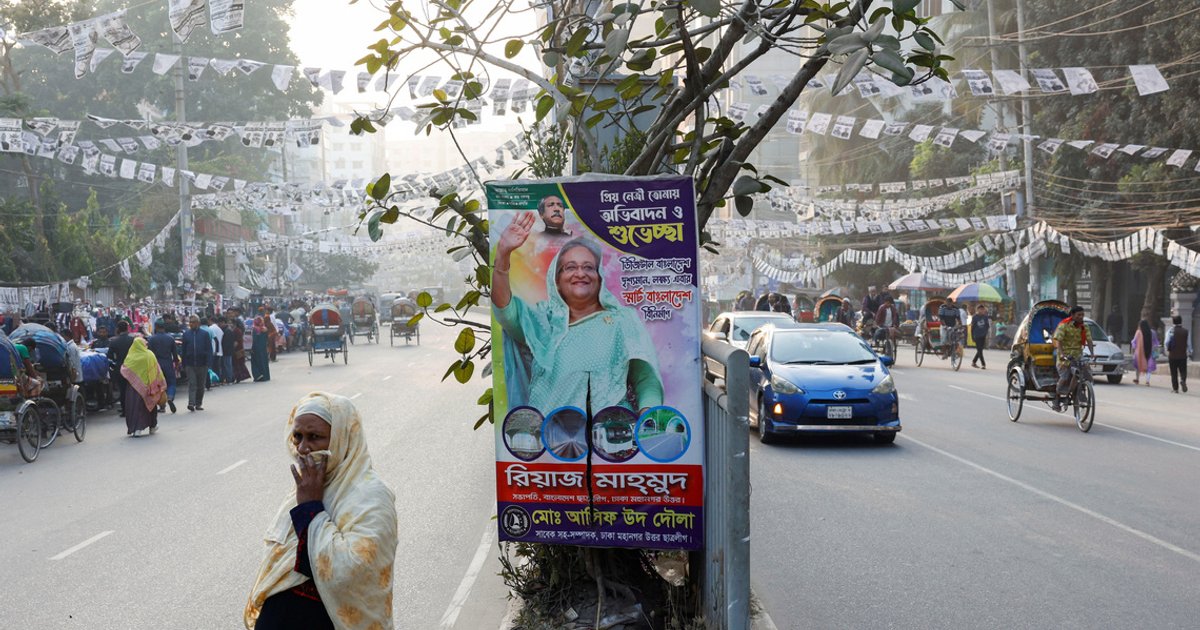
Sheikh Hasina, Bangladesh's former prime minister, is set to return to the country next month after departing hastily in August amid widespread civil unrest and calls for her resignation. The Awami League party confirmed the timeline, signalling her intention to come back with or without the necessary travel documents, a statement that underscores the politically charged nature of her homecoming.
Hasina's anticipated return is contentious because she faces numerous legal proceedings in Bangladesh, including cases related to allegations of extrajudicial killings, enforced disappearances and other human rights violations during her tenure. These cases, filed by various groups and individuals, carry significant legal jeopardy and could result in her arrest upon arrival. The timing of her return announcement has also raised questions about the current political climate and her party's strategy.
The Awami League's defiant stance—indicating she will return regardless of documentation status—reflects the party's determination to restore its leadership and signals potential confrontation with Bangladesh's interim government, which took power after Hasina's departure. Political observers note that her return could either galvanise her supporters or trigger renewed civil unrest, depending on how authorities handle her arrival.
Bangladesh's political landscape remains volatile following the August transition. How the government responds to Hasina's homecoming and the broader question of accountability for alleged abuses during her administration are likely to shape the nation's political trajectory in coming months.